More from the episode

The story in 5 beats
- Demons at the joust
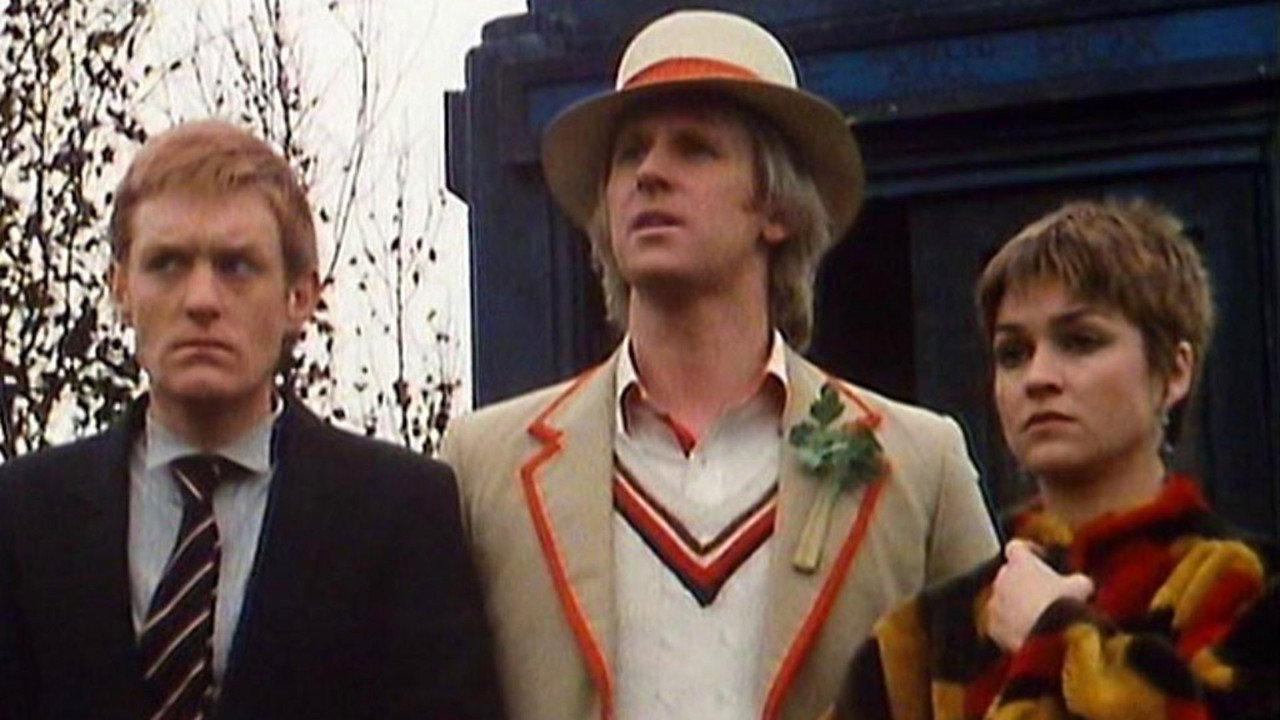
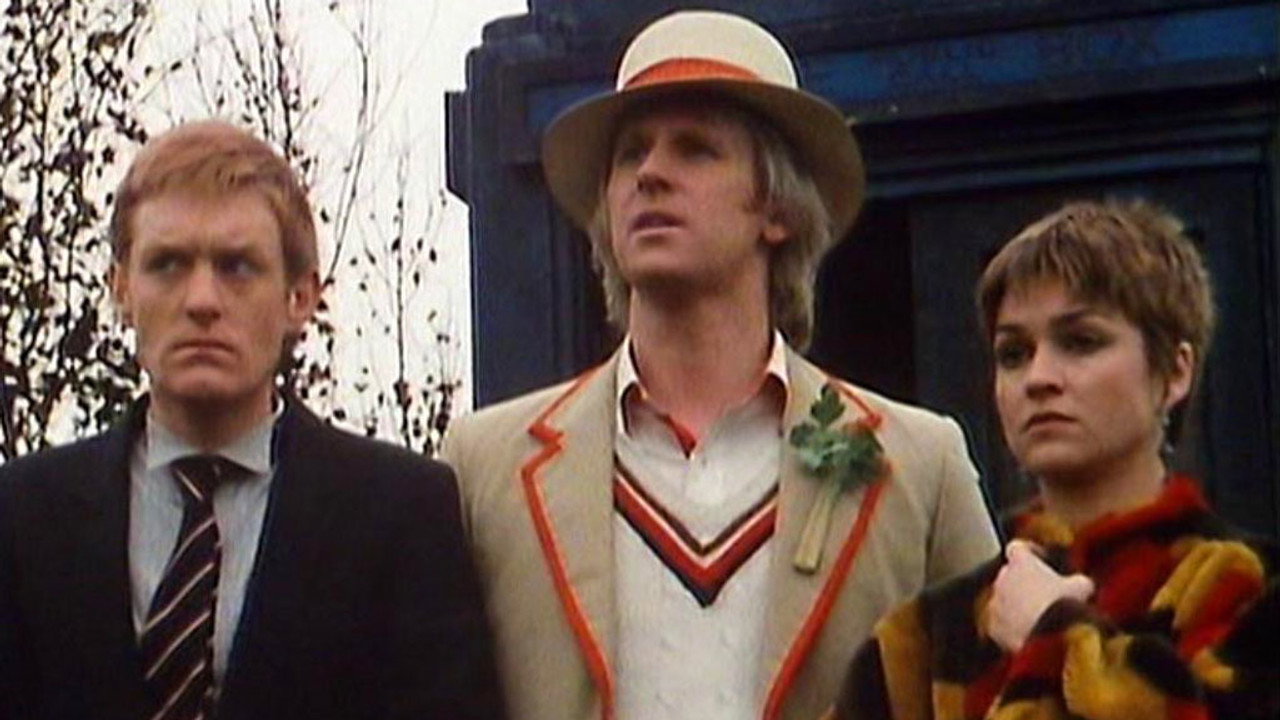
Sir Ranulf's son Hugh is losing a joust to the King's champion, Sir Gilles, when the TARDIS arrives and interrupts it. The King greets the travellers as his demons.
- A king in two places
The Doctor checks the date. In 1215 King John should be in London, so who is this man bullying Ranulf for money?
- Sir Geoffrey's warning
Ranulf's cousin, Sir Geoffrey de Lacey, arrives and confirms it: the King is in London.
The champion unmaskedSpoiler · tap to reveal
At the banquet, Sir Gilles drops his disguise. He is the Master, and he escapes in a TARDIS disguised as an iron maiden.
A battle of willsSpoiler · tap to reveal
The King is Kamelion, a shape-changing robot the Master controls. The Doctor wrests it from him with his mind.
Why it still matters
Two episodes, a castle and a king in the wrong place. The King's Demons is one of the smallest stories of the Peter Davison years, and it opens with a good historical puzzle: King John is at Sir Ranulf Fitzwilliam's castle squeezing him for taxes, while the Doctor is sure that the real John is in London, taking the Crusader's oath. Terence Dudley, who had written Four to Doomsday and Black Orchid for the previous season, plays it as a costume piece with a mystery inside.
It also carried a milestone. The BBC billed Part One as the 600th episode of Doctor Who, in the show's twentieth season, and the story closed that season's regular run in March 1983, eight months before the anniversary special The Five Doctors.
The hook is the best part of the setup, and the story's two biggest surprises come later, so they wait below the spoiler marker.
The Master's joke
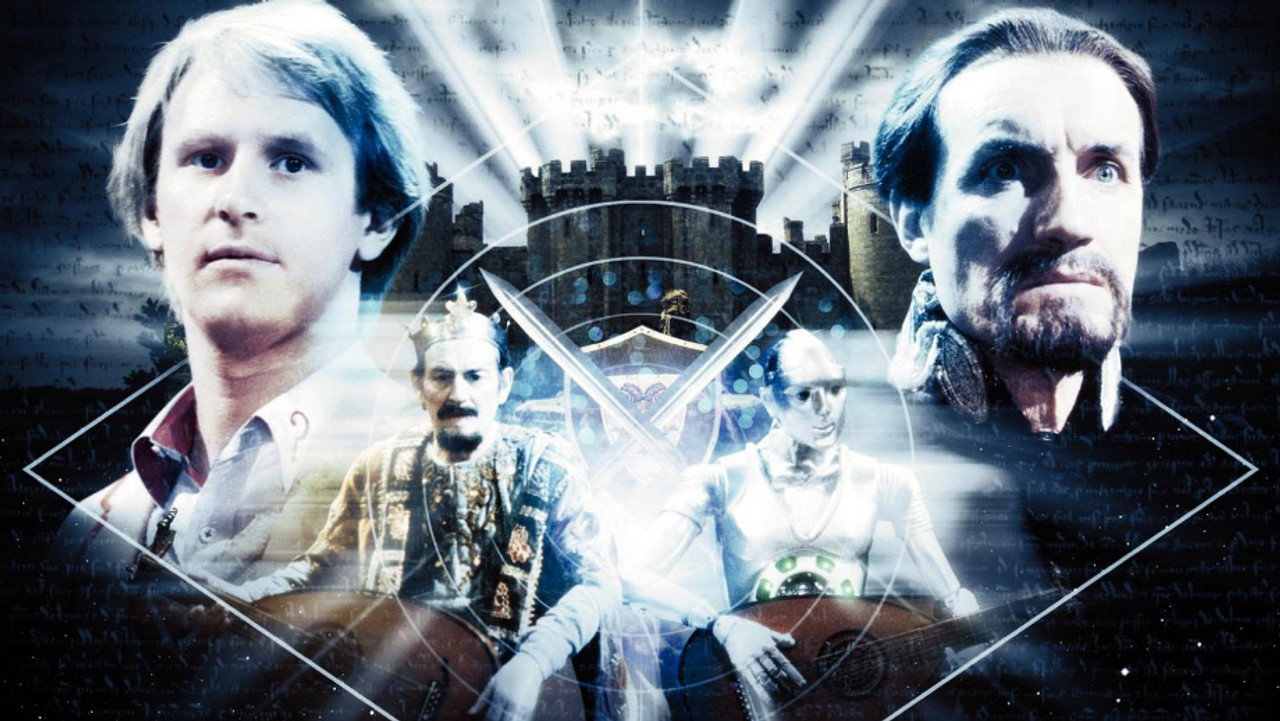
Sir Gilles Estram is the Master (Estram is an anagram of Master), and the King is Kamelion, a war weapon the Master found on Xeriphas that takes any form its controller wills. The plan is to have the false John behave so badly that the barons rise and topple the real one, robbing the world of Magna Carta. The Doctor beats the Master in a battle of wills for control of the robot and takes it away in the TARDIS, where Kamelion asks to stay. To keep Anthony Ainley's return a surprise, the Radio Times credited Sir Gilles to "James Stoker," an anagram of "Master's Joke."
Kamelion was a real robot. Freelance effects designer Richard Gregory and software designer Mike Power demonstrated a prototype to John Nathan-Turner and Eric Saward, and Nathan-Turner was impressed enough to commission Dudley to write it into the show. Shortly after filming, Power died in a boating accident and nobody could carry on his work. Gerald Flood, who plays King John, also voices Kamelion, which travelled with the Doctor until Planet of Fire and was rarely seen in between.
Challenge the DNA
Was Kamelion a good idea for a companion?
Or skip ahead to our reading
A good idea that didn't work, through no fault of the story. A companion that can become anyone is a great premise. The prop's troubles meant it was rarely seen again.
Behind the scenes
- The BBC billed Part One as Doctor Who's 600th episode.
- Production papers released with the 2023 Season 20 Blu-ray box set show that Eleanor Bron was offered the part of Queen Isabella, which went to Isla Blair. Bron later played Kara in Revelation of the Daleks (1985).
- Part One drew 5.8 million viewers and Part Two 7.2 million. A BBC1 repeat on two Fridays in July 1984 drew 3.3 and 5.0 million.
- Dudley wrote the novelisation himself; Target published it in 1986.
The thread
Medieval England, a king who shouldn't be there, and the old *Doctor Who* habit of meddling with history.
Came before
Shares DNA with
DNA strand
Time Loops & Timelines
The Doctor's first clue is a date. He knows where King John ought to be in 1215, and the story is built on the gap between the history he remembers and the man sitting at Ranulf's table.
Every great sci-fi story is built from a handful of strands like this one. Each strand page explains how it works and traces it across shows, books and films.
If this one stayed with you
Where to go next, and why.
Watch · Doctor Who
"The Time Meddler"
An early mix of real English history and science fiction, eighteen years before this one.
Watch · Doctor Who
"The Time Warrior"
If you like your Doctor Who with castle walls, banquets and a lord who can't be trusted, this is the four-part version.
Watch · Doctor Who
"The Crusade"
The First Doctor at Richard the Lionheart's court, a historical story played straight, for comparison with this one's mix.
Read · Novelisation
Doctor Who: The King's Demons — Terence Dudley
Dudley's own novelisation from 1986, with room for more of the castle and its people than two episodes allowed.
Your next episode
Three directions to go from here, all on Sci-Fi DNA.
More of this feeling
The Time Meddler
Doctor Who
Another adventure where someone is meddling with English history.
Same question, different answer
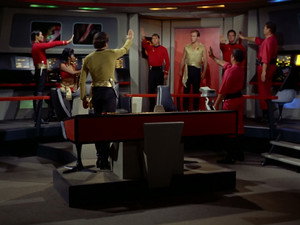
Mirror, Mirror
Star Trek
Familiar faces who aren't who they should be.
Something completely different
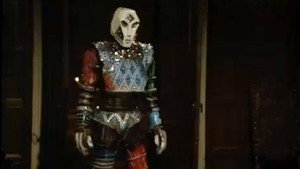
The Visitation
Doctor Who
Back to the 1660s, aliens and the plague.