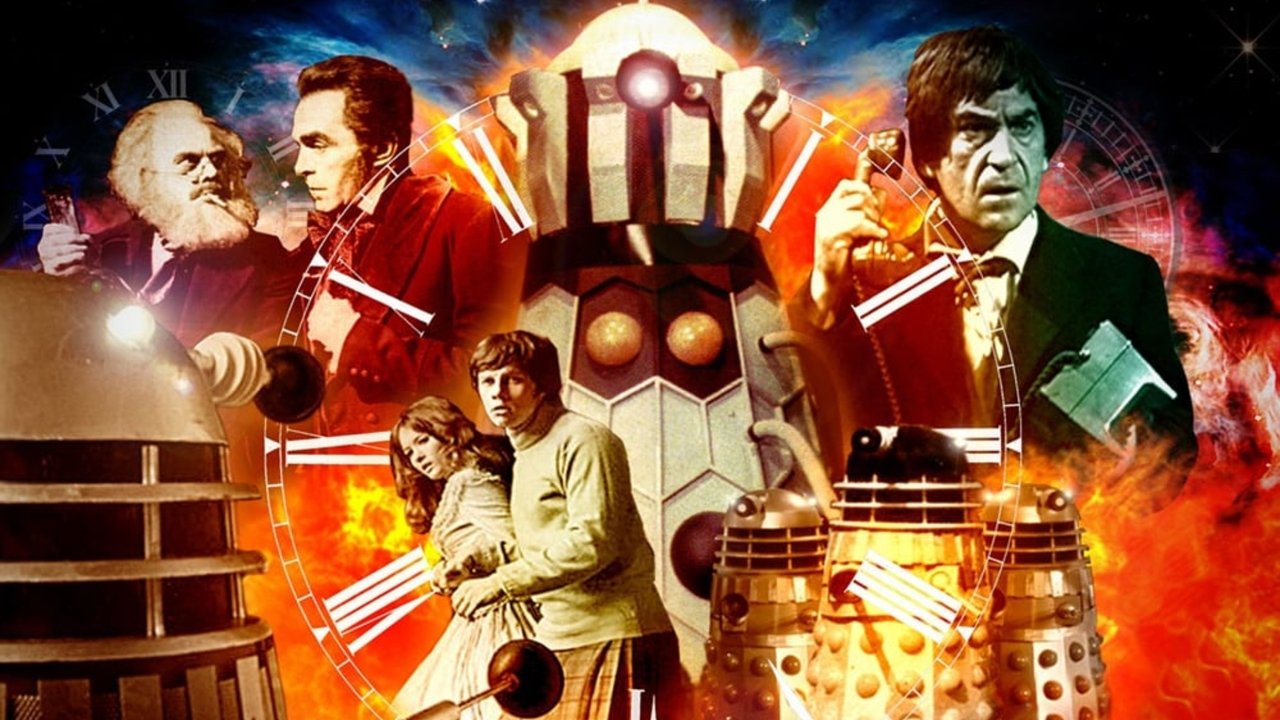
More from the episode
The story in 5 beats
- Stolen from Gatwick
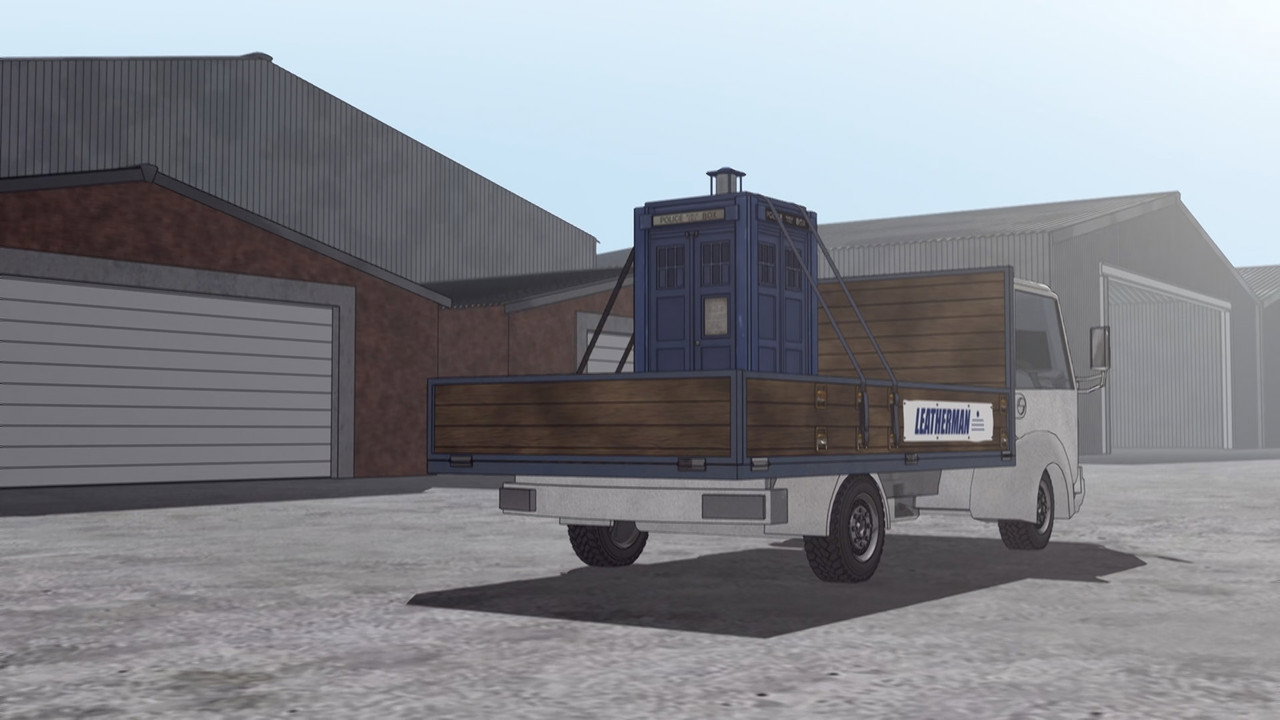
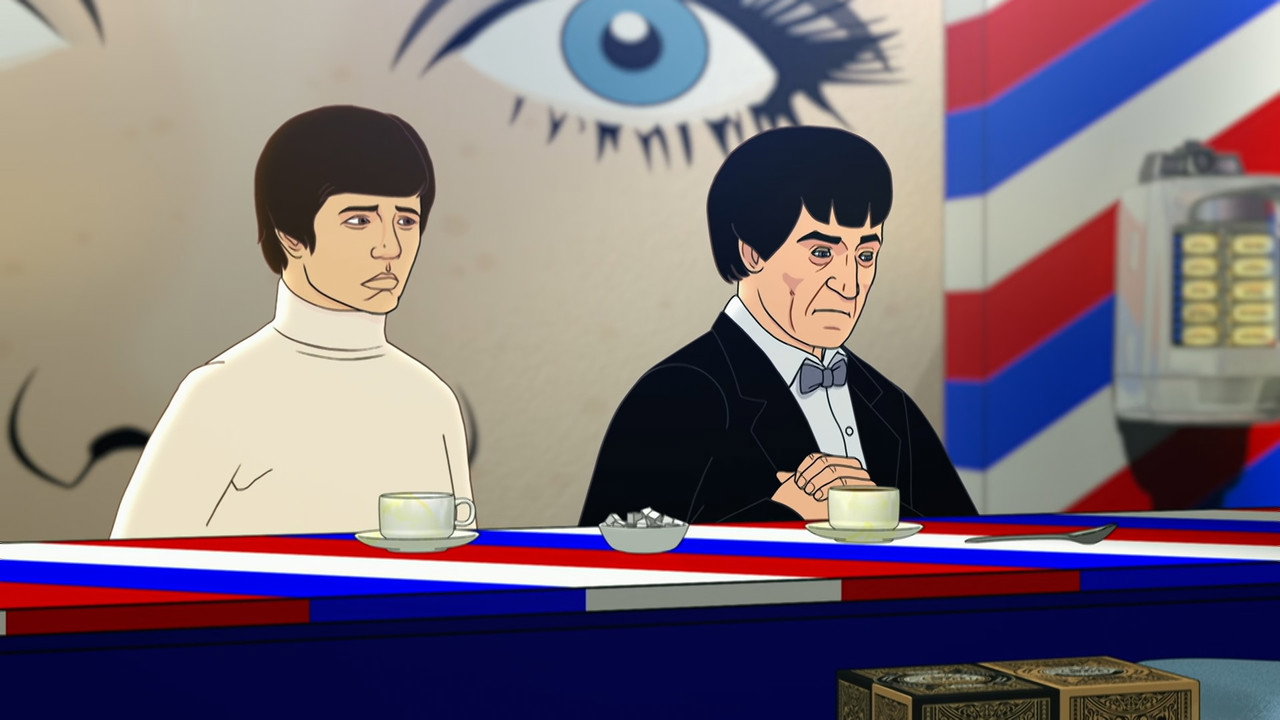
The Doctor and Jamie watch the TARDIS being driven off on a lorry. The trail leads to Edward Waterfield's shop, where the Victorian antiques look as if they were made yesterday.
- Kent, 1866
Gassed and dragged through time, they wake in Theodore Maxtible's house. His and Waterfield's experiments brought the Daleks, who are holding Waterfield's daughter Victoria.
- The Human Factor
The Daleks want the Doctor to find whatever makes humans win and put it into three Daleks. If he refuses, they destroy the TARDIS.
SkaroSpoiler · tap to reveal
Maxtible sells everyone out for the secret of making gold. On Skaro the Dalek Emperor explains the real plan: with the Human Factor isolated, the Daleks have found the Dalek Factor too.
Civil war on SkaroSpoiler · tap to reveal
The Doctor turns the Daleks' conversion arch against them and civil war tears the city apart. Edward Waterfield dies, and Victoria leaves with the Doctor and Jamie.
Why it still matters
Most Dalek stories ask how to stop the Daleks. This one has the Daleks asking a question of their own: why do humans keep beating them? Their answer is to have the Doctor isolate the "Human Factor", whatever it is that makes people people, and put it into a Dalek to see what happens. David Whitaker builds a seven-part season finale around that idea, and it keeps getting bigger as it goes.
It's also a Dalek story in Victorian dress. Most of it takes place in 1866, in a Kent country house where two Victorian gentlemen have been experimenting with time travel and have let something in. Marius Goring plays Theodore Maxtible, the host, and Dudley Simpson wrote the score. Whitaker also put the Dalek Emperor on screen for the first time; until then it had appeared only in spin-off books and comics.
Only episode two survives in the BBC archive, but fans still rate it highly. Doctor Who Magazine's 60th-anniversary poll in 2023 placed it sixth of the 21 Patrick Troughton stories, and Charlie Jane Anders praised its "remorseful Victorian mad scientists and Daleks playing trains".
The end of the Daleks, for now
The humanised Daleks were never the point. Having isolated what makes people human, the Daleks also know what makes a Dalek, and the Emperor wants the Doctor to carry the Dalek Factor through history in the TARDIS and turn humanity into Daleks. Maxtible goes through the arch and is converted. The Doctor goes through and isn't, because he isn't human, and he pretends otherwise long enough to send the Daleks through an arch he has quietly switched. The Daleks that go through it rebel against the Emperor.
Edward Waterfield is killed in the fighting, and the Doctor promises to look after Victoria, who joins him and Jamie. As the city burns he declares it the end of the Daleks, while a light glows in a wrecked casing behind him. The BBC had discussed a Dalek spin-off television series with Terry Nation, though it later decided the idea was unlikely to succeed. Aside from a few cameos, the Daleks didn't properly return to the series until "Day of the Daleks" in 1972.
Challenge the DNA
Was the Doctor reckless to help the Daleks find the Human Factor?
Or skip ahead to our reading
Reckless, and it worked, which is very Troughton. He plays along with the Daleks to turn their own experiment against them. The cost is real, and the story doesn't hide it.
Behind the scenes
- Only episode two exists in the BBC archive. The telerecording turned up at a car boot sale and came back in 1987, along with episode three of The Faceless Ones. Fans' off-air audio recordings and tele-snaps cover the whole story.
- The Doctor Who effects team shot their own behind-the-scenes film, The Last Dalek, while working on the battle in the final episode. It has since been used to give an idea of the missing climax.
- Victoria was named after her era and after script editor Gerry Davis's eldest daughter. According to the 2021 BBC documentary The Dalek Factor, director Derek Martinus first cast Denise Buckley. The part went to Deborah Watling instead, and Buckley was paid in full.
- Episode one went out at 6 p.m. because of FA Cup coverage, and episode seven at 6:25 p.m. because of Wimbledon. Episode one drew 8.1 million viewers.
- In the summer of 1968 the whole story was repeated, introduced by a clip at the end of The Wheel in Space. It was the only time in the 1960s that any Doctor Who episodes other than the very first were shown again.
- John Peel's 1993 novelisation was the last original-series story to be novelised for Target's Doctor Who library, because of rights clearance difficulties with Terry Nation. Frazer Hines wrote a second adaptation in 2023.
- BBC Studios released an animated version of all seven episodes, in colour and black and white, on September 27, 2021, with the surviving episode two included.
The thread
Victorian science, a Dalek question about humanity, and a house that should never have opened its doors.
Came before
Shares DNA with
Left its mark on
DNA strand
Technology Outpaces Ethics
Two Victorian men build a time machine because they can, and the Daleks come through it. The Daleks are running an experiment too, on what makes us human, and the story is clear that the people who start these things end up paying for them.
Every great sci-fi story is built from a handful of strands like this one. Each strand page explains how it works and traces it across shows, books and films.
If this one stayed with you
Where to go next, and why.
Watch · Doctor Who
"The Power of the Daleks" (1966)
Troughton's first story and the other great Whitaker Dalek serial of the season, with the Daleks pretending to be servants.
Watch · Star Trek S1
"The Enemy Within"
If the Human Factor idea grabs you, this splits Kirk into two men to ask which half a person really needs.
Watch · Doctor Who
"Genesis of the Daleks" (1975)
Another Dalek story that cares about where Daleks come from and what makes them what they are.
Read · Novel
Frankenstein — Mary Shelley
The original story of a man of science who makes something in his workshop and can't control what follows.
Read · Novelisation
The Evil of the Daleks — Frazer Hines
Jamie's actor retelling the story in 2023, a fitting way in for a serial that mostly survives as sound and stills.
Your next episode
Three directions to go from here, all on Sci-Fi DNA.
More of this feeling
The Power of the Daleks
Doctor Who
Troughton's first Dalek story, and the scheming that led here.
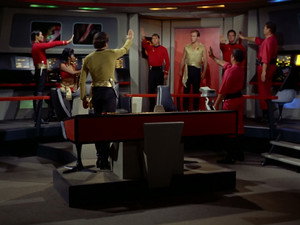
Same question, different answer
Mirror, Mirror
Star Trek
What makes people human, and what's left when it's taken away?

Something completely different
The Tomb of the Cybermen
Doctor Who
From a Victorian house to a tomb on a dead planet.