More from the episode
The story in 5 beats
- A stranger at the controls
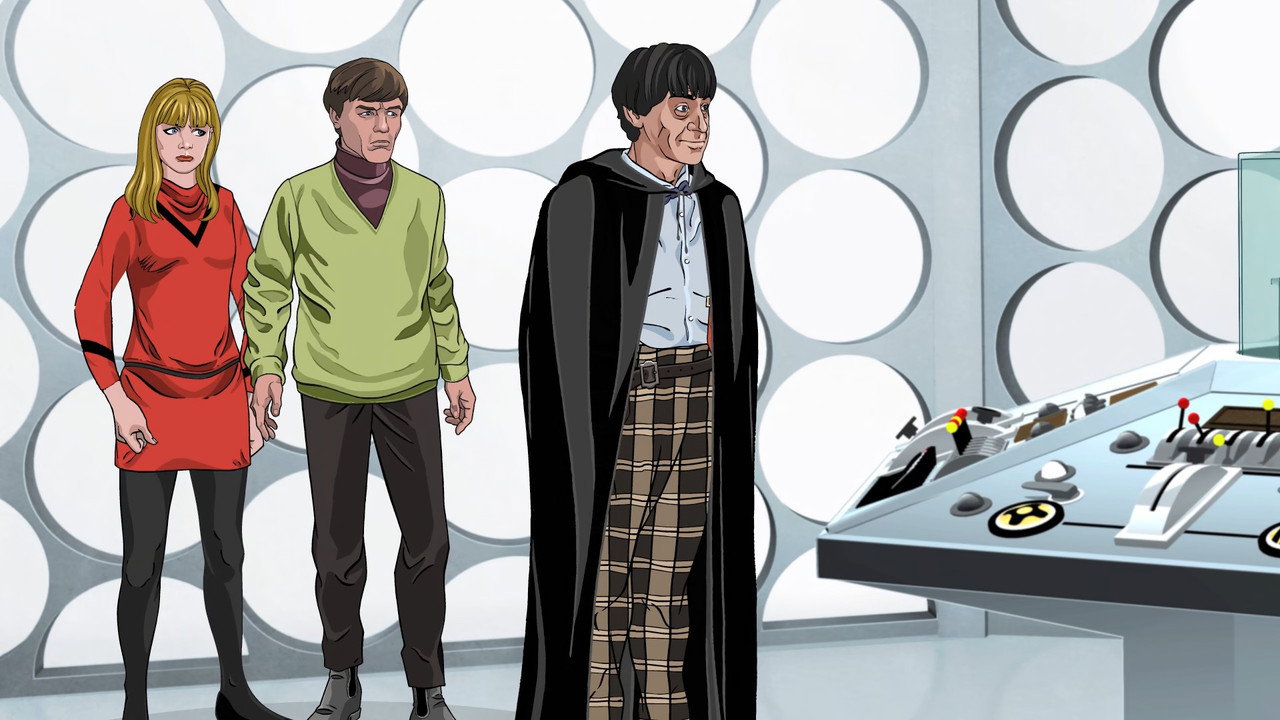
Ben and Polly watch a man they've never seen come round in the TARDIS and set it in flight. He says he's the Doctor, and they aren't sure they believe him.
- Mistaken for the Examiner
On the planet Vulcan the Doctor sees an Earth examiner murdered. Rescued by colonists, he's taken for the examiner himself, whose visit has come years early for reasons nobody seems to know.
- Something in the capsule
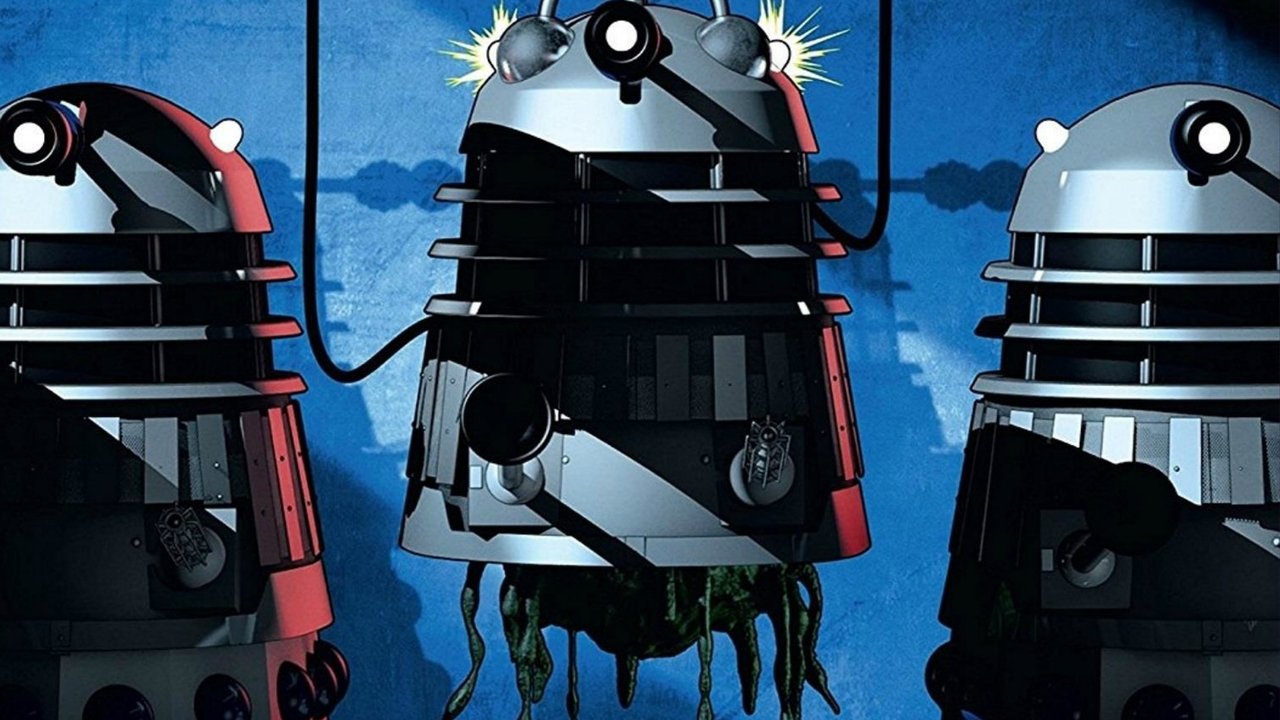
The colony scientist Lesterson has dug up a capsule two centuries old. Inside are two lifeless Daleks; a third is missing. Lesterson revives it, and it offers to serve.
The production lineSpoiler · tap to reveal
The Daleks have been secretly building more of themselves. Bragen, the head of security, turns out to be the examiner's killer and the leader of a rebel plot.
Power turned backSpoiler · tap to reveal
The Daleks massacre the colonists. The Doctor turns their own power source against them, but in the last shot a wrecked Dalek's eyestalk moves.
Why it still matters
This is the story that had to show Doctor Who could carry on without William Hartnell. Producer Innes Lloyd and the BBC's head of drama serials, Shaun Sutton, wanted the character actor Patrick Troughton, and rather than copy Hartnell he played the Doctor as what co-creator Sydney Newman called a "cosmic hobo": scruffy, funny, playing a recorder, and much sharper than he lets on.
The production team hedged the bet with the Daleks, last seen in The Daleks' Master Plan. As the critic John Kenneth Muir put it, the Doctor had changed but "the producers took no chances." The clever part is how David Whitaker uses them. The colonists think they've found useful machines, the Daleks play along as obedient servants, and the audience, who know exactly what a Dalek is, spends six weeks watching people make the worst possible decision.
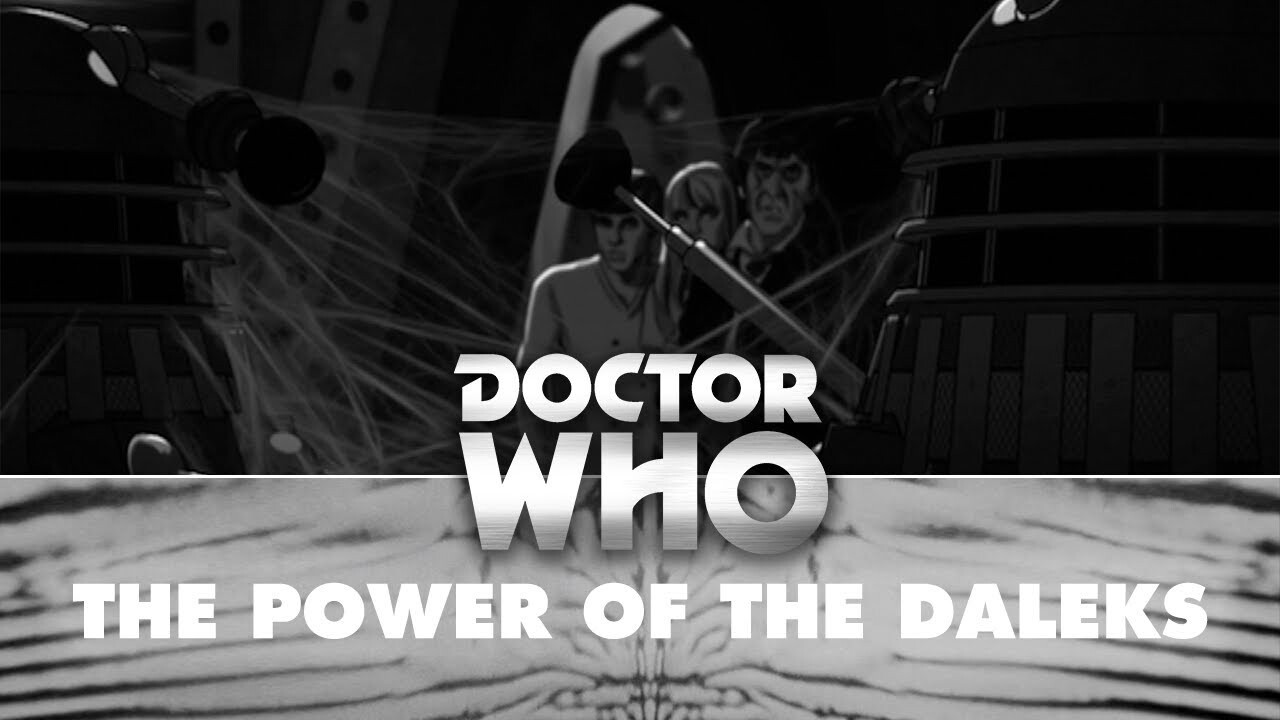
It's also one of the most famous holes in the BBC archive. All six episodes were destroyed in the 1970s, so for decades the story existed only as a viewer's off-air audio recording, a set of photographs taken off a television screen and a few short film clips. In 2016, for its 50th anniversary, the BBC released a full animated version built from that material.
"I am your servant" was never true
Lesterson finds a hidden production line turning out Daleks, and once there are enough of them they stop pretending. Bragen, who murdered the real examiner and is using the rebels to take over the colony, has a Dalek kill the governor, then learns who is really giving the orders when the Daleks turn on everyone. Lesterson, Janley and many of the colonists die. The Doctor destroys the Daleks by turning their own power supply against them, Bragen is shot by the rebel Valmar, and Quinn ends up governor. As the TARDIS leaves, the eyestalk of a supposedly dead Dalek twitches.
The slow first half pays off here. Writing for io9 in 2016, James Whitbrook called the discovery that the Daleks had been in control all along "one of the most satisfying surprises in all of Doctor Who's lengthy history," and Charlie Jane Anders listed the Episode Four cliffhanger, the first sight of the production line, among the show's best.
Challenge the DNA
Should Ben and Polly have trusted the new man?
Or skip ahead to our reading
Doubting him was sensible, and the story knows it. Troughton plays it so you're never sure either until he faces the Daleks. That's how the show sold its biggest gamble: by letting the audience be as suspicious as the companions.
Behind the scenes
- Terry Nation, who created the Daleks, was too busy with The Baron to write it and let another writer take them on. David Whitaker, the show's original story editor, wrote the scripts, and his successor Dennis Spooner did uncredited rewrites that concentrated on the new Doctor.
- Troughton wasn't sure about replacing Hartnell. He later told Fantasy Empire magazine: "I didn't think it was a particularly good idea of the BBC to replace Billy... In the end, I was persuaded over a week of negotiations."
- Ben and Polly were written to distrust the new Doctor at first, mirroring how the production team expected viewers to react. Playing the recorder was Troughton's own idea; he had taught himself.
- Designer Derek Dodd, on his first Doctor Who, drew on Metropolis and Things to Come. The Vulcan landscape outside Lesterson's window was a photograph of a steel factory in Sheffield, inspired by Forbidden Planet.
- The Dalek props were rebuilt from ones used in The Daleks, The Dalek Invasion of Earth and The Chase. Peter Hawkins voiced the Daleks, the first time he recorded them without David Graham.
- Every episode was destroyed from the BBC archive between 1972 and 1978. The full soundtrack survives because a viewer, Graham Strong, recorded it off air, and John Cura photographed the broadcasts as tele-snaps. Only short clips of film remain, and nothing at all from Episode Three.
- The BBC commissioned a black-and-white animated version for the 50th anniversary, directed by Charles Norton and built from the soundtrack, clips and photographs. It went out daily on the BBC Store from November 5 to 10, 2016, a colour version followed on December 31, and an updated edition came out in 2020.
The thread
A new face, an old enemy, and people who think they can control it.
Came before
Shares DNA with
DNA strand
Technology Outpaces Ethics
Lesterson wants the credit, Bragen wants the power, and nobody on Vulcan stops to ask what the thing in the capsule wants. Every faction thinks the Daleks are a tool it can use. The story is about what happens when people treat a discovery as a resource before they understand it.
Every great sci-fi story is built from a handful of strands like this one. Each strand page explains how it works and traces it across shows, books and films.
If this one stayed with you
Where to go next, and why.
Watch · Doctor Who
"The Daleks" (1963)
The Daleks' first story, and the props this one rebuilt. Good for seeing how far they'd come in three years.
Watch · Star Trek S1
"Space Seed"
Another crew that wakes up something old and dangerous and gives it the benefit of the doubt.
Watch · Film
Aliens (1986)
A colony, a monster, and someone in charge who thinks he can profit from it. The same bad idea twenty years later.
Read · Novel
Frankenstein — Mary Shelley
The original story of a scientist so pleased with what he's revived that he forgets to ask what it will do next.
Read · Novelisation
The Power of the Daleks — John Peel
The novel arrived only in 1993, once deals were made with the Nation and Whitaker estates. Peel worked from Whitaker's draft scripts.
Your next episode
Three directions to go from here, all on Sci-Fi DNA.
More of this feeling
The Daleks
Doctor Who
Where the Daleks began, and you'll see how much the act has improved.
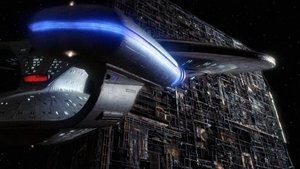
Same question, different answer
The Best of Both Worlds: Part One
Star Trek: The Next Generation
Can you trust a familiar face when it isn't quite the person you knew?

Something completely different
The Highlanders
Doctor Who
From a Dalek takeover to the aftermath of Culloden.