More from the episode
The story in 5 beats
- A hard landing
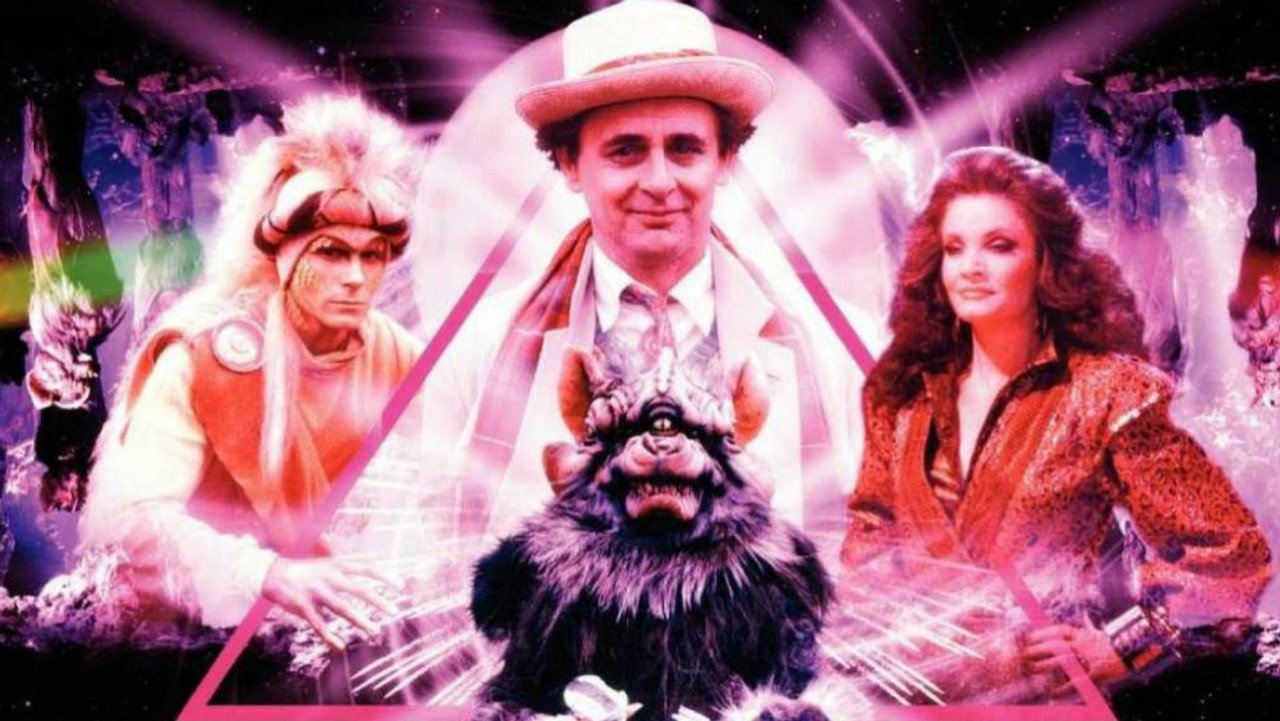
The Rani forces the TARDIS down on Lakertya. Inside is a new Doctor, groggy and unsure of himself, and the Rani's bat-like Tetraps carry him off to her laboratory.
- Two Mels
The Doctor wakes up being nursed by someone who looks a lot like Mel. It's the Rani in disguise, and she needs his help to finish a machine.
- The real Mel
Out on the planet's surface, the real Mel dodges the Rani's traps and joins Ikona, a Lakertyan who's had enough of his people giving in to her.
- A brain full of geniuses
In the lab the Doctor finds a giant brain fed by kidnapped geniuses, Einstein among them. The Rani wants it to give her control over time, whatever it costs Lakertya.
Caught by her ownSpoiler · tap to reveal
The Doctor wrecks the plan and frees the Lakertyans. The Rani flees to her TARDIS, but the Tetraps are waiting there for her, and the Doctor takes the geniuses home.
Why it still matters
Time and the Rani opens a new era, and you can tell from the first minute. It's Sylvester McCoy's first story as the Doctor, the first under new script editor Andrew Cartmel, and the first with a new title sequence: Oliver Elmes's swirling galaxy, the first Doctor Who titles made with computer graphics, set to Keff McCulloch's synthesiser arrangement of Ron Grainer's theme. The season also moved to Monday evenings.
The story itself has few defenders. Cartmel, newly in the job, said it "wasn't about anything", and found that frustrating because it was McCoy's debut. In a 2014 Doctor Who Magazine poll it came third from bottom of the whole run, ahead of only "Fear Her" and The Twin Dilemma. Tat Wood's About Time is hard on the dialogue and plot but calls the direction "visually impressive".
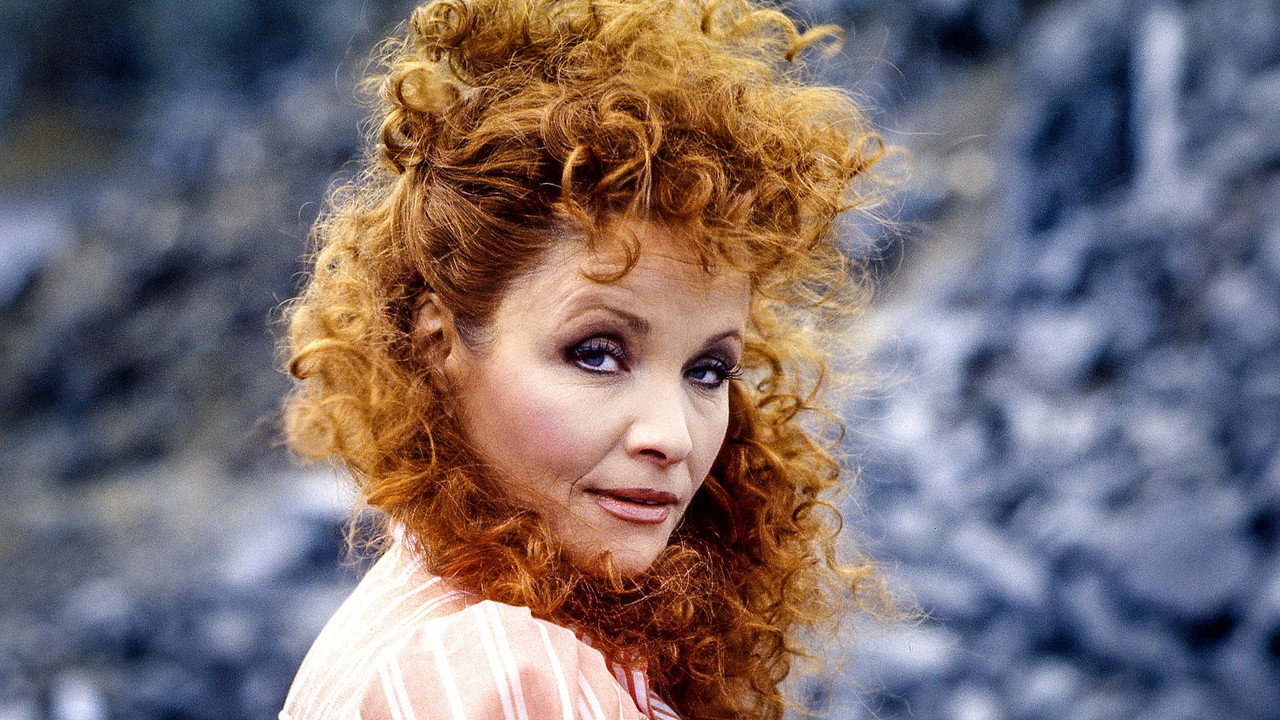
It's worth a look anyway, for McCoy finding his feet in a story that keeps him confused for half its length, and for Kate O'Mara, who came back as the Rani while she was filming Dynasty in America. Her best scenes have her pretending to be Mel, and she had Bonnie Langford read the lines first so she could copy her.
A regeneration without its Doctor
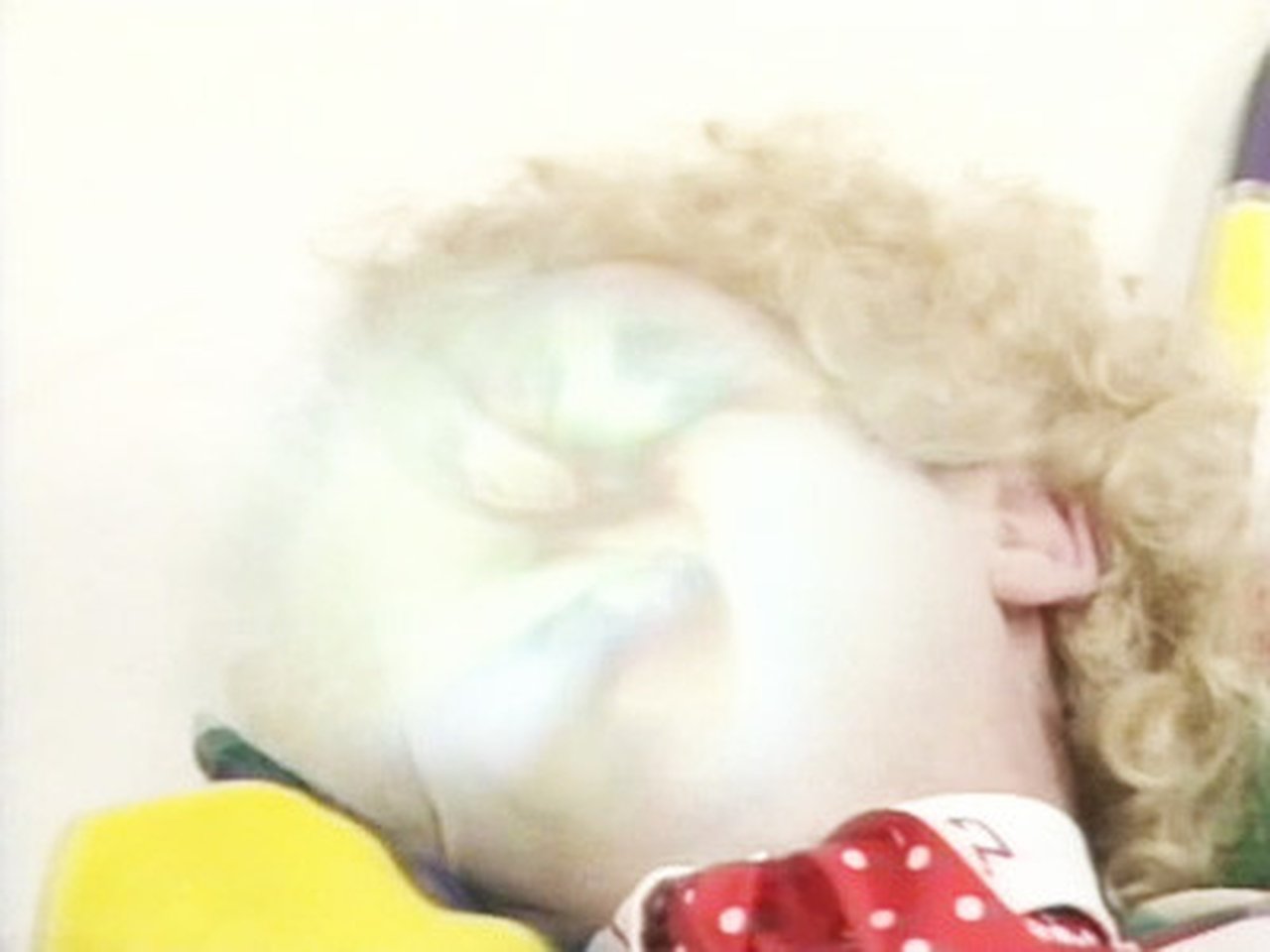
The Rani's attack on the TARDIS leaves the Sixth Doctor on the console room floor, where he regenerates in the first minutes of Part One. Colin Baker isn't in it. Sylvester McCoy played the injured Sixth Doctor, with visual effects hiding his face as the change happens. At the end the Rani escapes in her TARDIS, only to find the Tetraps have taken it over and taken her prisoner, and the Doctor loads the kidnapped geniuses into his own TARDIS to take them home.
Baker had been told on October 29, 1986, that he was being replaced: Michael Grade and Jonathan Powell took the previous season's disappointing ratings as proof he didn't appeal to viewers. Powell offered him one four-part story ending in a regeneration. Baker argued for a full final season, partly because he didn't want to commit to two weeks' work when he should be looking for regular jobs. Pip and Jane Baker had first written this story for him; an opening scene based on the judgement of Solomon was dropped to make room for the regeneration. In 2019 Baker said he regretted not coming back for the scene, and that he'd been "hacked off" at the time and not thinking about the fans.
Challenge the DNA
Is Time and the Rani a fair start for the Seventh Doctor?
Or skip ahead to our reading
McCoy is the best thing in it. The story is colourful and light, and the Doctor and the Rani play off each other well. Better stories for him were coming.
Behind the scenes
- The working title was Strange Matter.
- The new title sequence was made by graphic designer Oliver Elmes of the independent company CAL Video, and was the first done with computer graphics. It replaced Sid Sutton's starfield titles, used since The Leisure Hive in 1980, with a spiral galaxy, asteroids, the TARDIS in a bubble, a head shot of McCoy and a new metallic logo. Keff McCulloch arranged a new synthesiser version of the theme.
- Part Four went out with an early version of the sequence by mistake, in which the Doctor's face looks shadowy; producer John Nathan-Turner felt the face wasn't prominent enough in it.
- Nathan-Turner wanted a returning villain for the changeover between Doctors and brought back the Rani. Kate O'Mara was in America filming Dynasty but was able to return, and for the scenes where the Rani poses as Mel, Bonnie Langford read O'Mara's lines so she could mimic her.
- Wanda Ventham (Faroon) and Donald Pickering (Beyus) had appeared together in The Faceless Ones in 1967.
- Part One went out on BBC One at 7:35 pm on Monday, September 7, 1987. The four parts drew 5.1, 4.2, 4.3 and 4.9 million viewers.
The thread
A new Doctor who doesn't know himself yet, and a villain happy to tell him who he is.
Came before
Shares DNA with
Left its mark on
DNA strand
Memory & Identity
For half the story the Doctor has no firm idea who he is, and the Rani fills the gap by passing herself off as Mel. It's played for comedy, but the joke has an edge: a man who can't remember himself will believe whatever he's told.
Every great sci-fi story is built from a handful of strands like this one. Each strand page explains how it works and traces it across shows, books and films.
If this one stayed with you
Where to go next, and why.
Watch · Doctor Who
"The Mark of the Rani" (1985)
The Rani's first story, with O'Mara's scientist meddling with a 19th-century mining village.
Watch · Doctor Who
"Castrovalva" (1982)
Another new Doctor who spends his first story barely able to stand, and a better showcase for how strange that can be.
Watch · Star Trek S3
"Spock's Brain"
If a brain-harvesting plot played half for laughs is your thing, this is the other famous one.
Read · Novel
Donovan's Brain — Curt Siodmak
A brain kept alive in a lab by a scientist who thinks he's in charge of it. The Rani would approve of his methods.
Your next episode
Three directions to go from here, all on Sci-Fi DNA.

More of this feeling
The Mark of the Rani
Doctor Who
The Rani's first story, in the Industrial Revolution.
Same question, different answer
The Best of Both Worlds: Part One
Star Trek: The Next Generation
What happens when brilliant minds are taken for someone else's project?

Something completely different
Paradise Towers
Doctor Who
A tower block, Caretakers and a swimming pool nobody can reach.