More from the episode
The story in 5 beats
- Caught in a loop
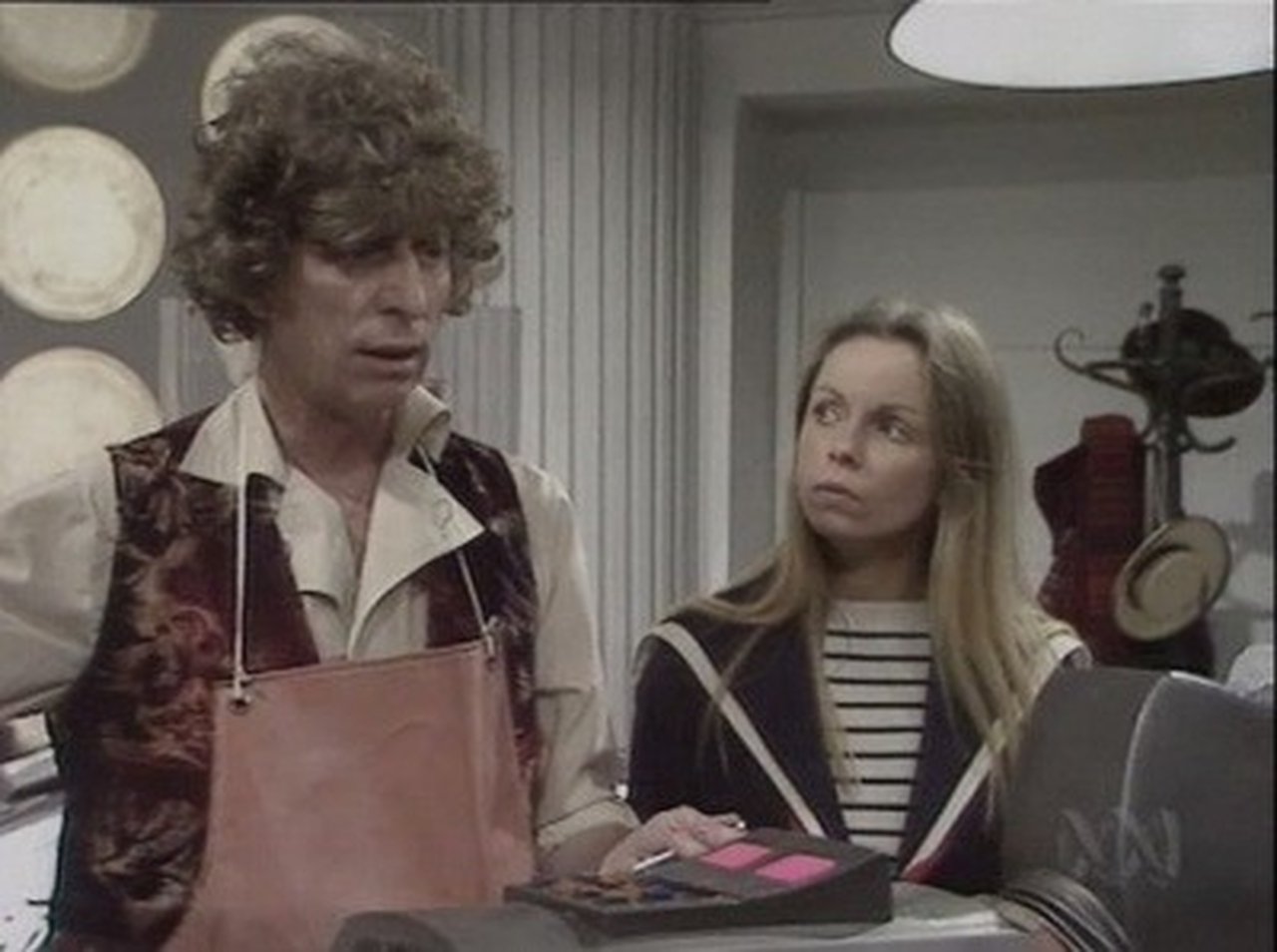
On the way to Tigella the TARDIS gets trapped in a time loop, and the Doctor and Romana live the same small stretch of time over and over.
- Science against faith
On Tigella the Savants and the Deons quarrel over the failing Dodecahedron, and Zastor has sent for his old friend the Doctor to help.
- The last Zolfa-Thuran
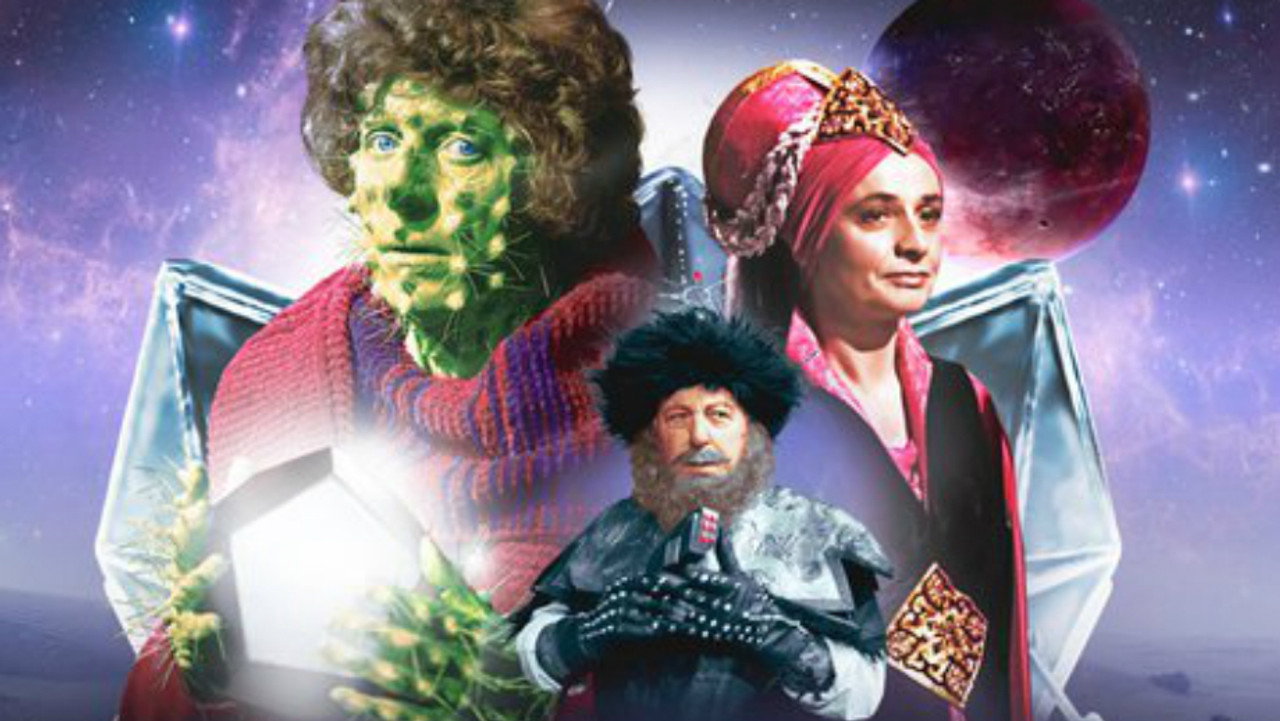
On the desert world next door, Meglos, a cactus creature, summons the Gaztak pirates, takes over a kidnapped Earthman and turns himself into the Doctor.
- Two Doctors, one crystal
The false Doctor steals the Dodecahedron. The real one is blamed, and Lexa seizes the moment to take power and prepare him as a sacrifice to Ti.
What the crystal is forSpoiler · tap to reveal
Back on Zolfa-Thura, Meglos explains what his people built the Dodecahedron to power, and the Doctor follows him there.
Why it still matters
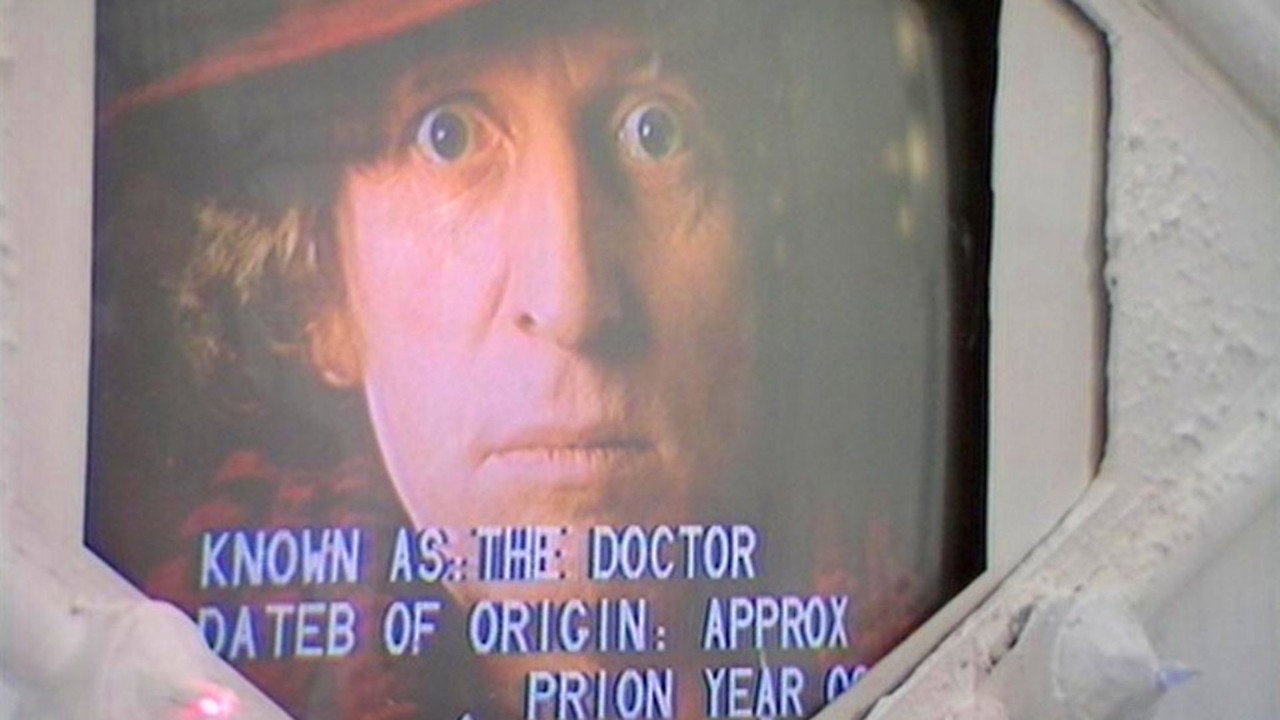
Most people who remember Meglos remember two things. One is Tom Baker playing a cactus that has taken the Doctor's shape, smiling his smile while green spines push through his skin. The other is Jacqueline Hill, who had been Barbara Wright, one of the very first companions, from 1963 to 1965. Fifteen years on she came back as somebody else entirely: Lexa, high priestess of the Deons.
There's a real idea under the rubber. Tigella runs on the Dodecahedron, a glowing crystal that the scientific Savants study as an energy source and the religious Deons worship as a gift from their god Ti. Now its power is failing, and the planet's leader Zastor is stuck between the two camps. The season's new script editor, Christopher H. Bidmead, wanted the show back on its science footing, and this story at least puts the argument on screen.
It drew smaller audiences than The Leisure Hive: 5.0 million for part one, 4.2 million for part two, then 4.7 million for each of the last two. But it has its pleasures, including Bill Fraser's grumpy pirate General Grugger, and it was the first Doctor Who job for director Terence Dudley, who went on to write for the show.
Pointed the other way
Meglos tells the Gaztaks that his race died in a civil war over the crystal, which can power a weapon strong enough to destroy planets. He sets it in place and aims at Tigella. The Doctor arrives, passes himself off as Meglos to confuse the pirates, and quietly turns the weapon on Zolfa-Thura itself. Meglos drops the Earthman's body but can't stop the Doctor getting back to the TARDIS, or talk the Gaztaks out of firing.
From the TARDIS the travellers watch Zolfa-Thura destroyed, taking Meglos, the Gaztaks and the Dodecahedron with it. Then, as they set off to take the Earthman home, Romana gets a message from the Time Lords: she is to return to Gallifrey. The story ends on that note, and the next ones pick it up.
Challenge the DNA
Is Meglos a good villain?
Or skip ahead to our reading
He's a good idea, under-used. A shapeshifting cactus is exactly the kind of strange the show does well. The story is more interested in its science-versus-faith setting than in him.
Behind the scenes
- Jacqueline Hill played Barbara Wright, one of the TARDIS crew from the very first episode, from 1963 to 1965. Meglos brought her back in October 1980 as Lexa, a different character, opposite Tom Baker.
- It is one of only two multi-part stories in which every credited cast member appears in every episode, according to Howe and Walker's Doctor Who: The Television Companion. The other is The Edge of Destruction (1964).
- Lieutenant Brotadac's name is an anagram of "bad actor," a production in-joke. The team were then a little embarrassed when the part went to Frederick Treves, whom they thought a fine actor.
- Bill Fraser took the role of Grugger on condition that the character got to kick K9. He later turned up in the spin-off pilot K-9 and Company.
- Terence Dudley directed Meglos for John Nathan-Turner, his first Doctor Who. The same year he turned down the chance to produce Blake's 7, and he went on to write Four to Doomsday (1982) and other stories for the show.
- Paddy Kingsland scored part one and Peter Howell the rest; both scores came out in 2002 on Doctor Who at the BBC Radiophonic Workshop Volume 4: Meglos & Full Circle.
- Writing the 2010 episode "The Lodger," Gareth Roberts thought about making it a sequel to Meglos, then dropped the idea.
The thread
A double who wants your life, and a planet arguing about whether its power source is science or God.
Came before
Shares DNA with
Left its mark on
DNA strand
Alternate Selves
Meglos wears the Doctor's face so well that the Tigellans accuse the real one of his theft. The fun is in Tom Baker playing both, and in the false one's cactus spines giving him away.
Every great sci-fi story is built from a handful of strands like this one. Each strand page explains how it works and traces it across shows, books and films.
If this one stayed with you
Where to go next, and why.
Watch · Star Trek S1
"The Enemy Within"
Two Kirks on one ship, and the same game of working out which one is the real man.
Watch · Doctor Who
"An Unearthly Child"
See Jacqueline Hill where she started, as Barbara, and Lexa becomes a neat bit of casting.
Watch · TNG S3
"Who Watches the Watchers"
A thoughtful take on the Savants-and-Deons question: what happens when people treat technology as a god.
Read · Novelisation
Meglos — Terrance Dicks
Dicks's 1983 Target novel gives Meglos's kidnapped Earthman a name and a story of his own.
Your next episode
Three directions to go from here, all on Sci-Fi DNA.
More of this feeling
What Are Little Girls Made Of?
Star Trek
Another double of a crew member up to no good.

Same question, different answer
This Side of Paradise
Star Trek
Science against faith, and a society that has to choose.
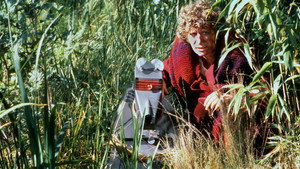
Something completely different
Full Circle
Doctor Who
A swamp planet, a grounded starship and a young newcomer.