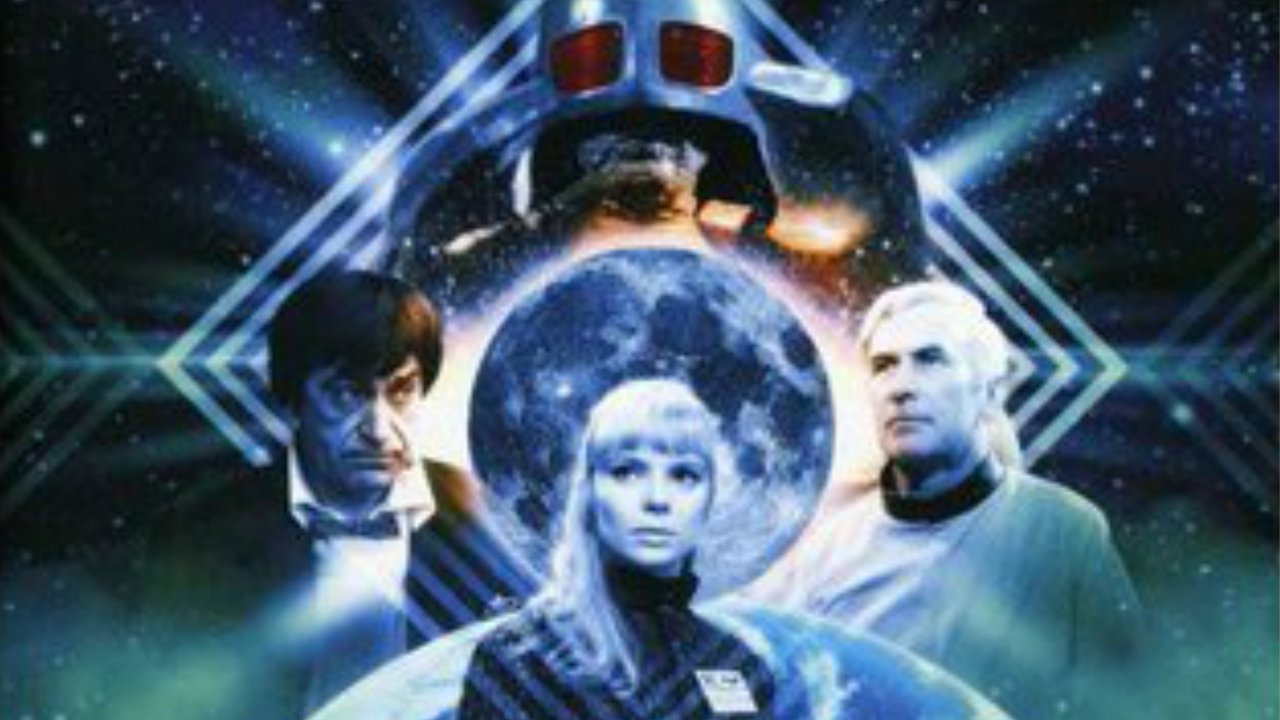
More from the episode
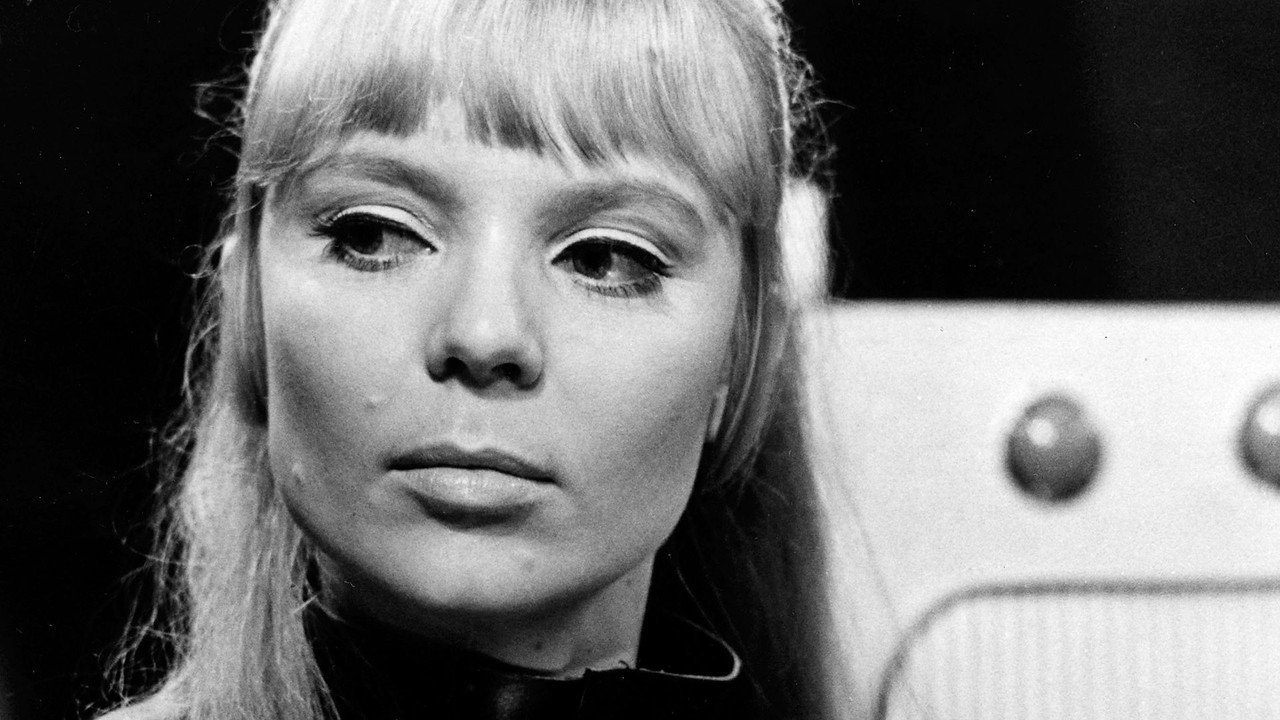
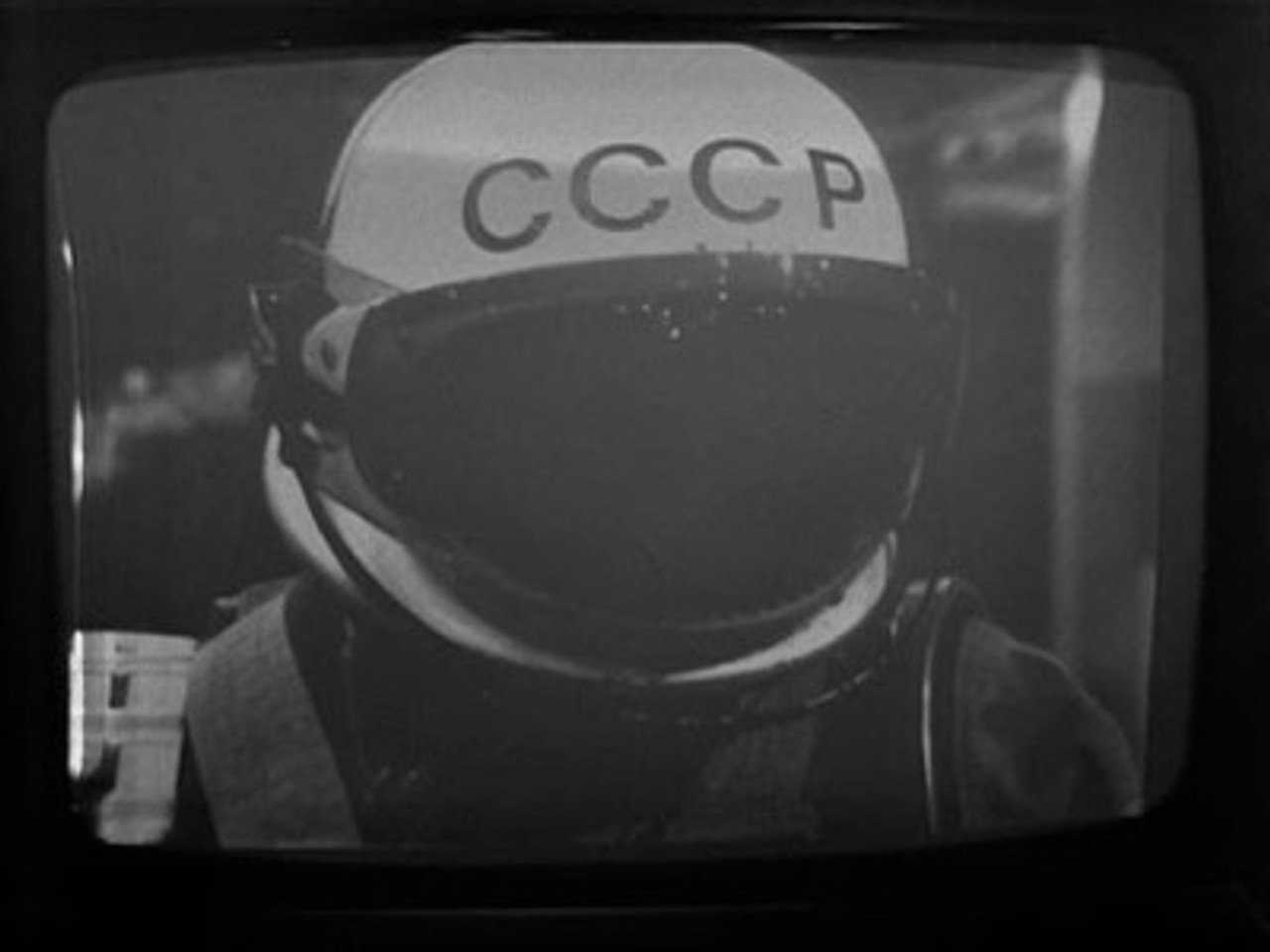
The story in 5 beats
- The rocket museum
The TARDIS lands in Professor Eldred's museum of space travel just as T-Mat breaks down. Commander Radnor and Gia Kelly come to Eldred for help.
- Silence on the Moon
Invaders have seized the relay station. Technician Fewsham is pressed into helping them, Phipps goes into hiding, and the Doctor, Jamie and Zoe fly Eldred's rocket up.
- Seeds through the door
Pods sent through T-Mat burst into a foam that soaks up the oxygen around it, and spread across the world's terminals. The invaders also send a warrior to seize London's weather control.
RainSpoiler · tap to reveal
The Doctor finds that water destroys the fungus, retakes weather control and makes it rain.
A signal to nowhereSpoiler · tap to reveal
Back on the Moon, the Doctor swaps the homing signal and sends the Martian fleet into the Sun. Slaar dies in the confusion when Jamie arrives.
Why it still matters
The idea at the centre of The Seeds of Death has aged well. Its 21st-century Earth has put everything into T-Mat, a matter transmitter that moves people and goods anywhere in an instant, and has stopped flying in space altogether. It works beautifully until one relay station on the Moon stops answering, and then the whole planet is stuck. The one man still building a rocket, Professor Eldred, runs a museum. Brian Hayles wrote a story about a world that put all its eggs in one very convenient basket.
It was also the Ice Warriors' second outing. Hayles created them for The Ice Warriors in 1967, and they were popular enough to earn a sequel. This time script editor Terrance Dicks suggested adding an Ice Lord, Slaar, with a sleeker design, to make the species more interesting. Alan Bennion, who played him, came back as two more Ice Lords in the 1970s. The Radio Times listing for the first part billed one actor simply as "Alien", to keep the monsters' return a surprise.
Behind the scenes it was patched together more than it looks. Hayles has the only credit, but Dicks rewrote Episodes Three to Six, partly because he thought Hayles's ending didn't work and partly because Jamie had been due to leave around this point.
Rain, and a wrong turn for the fleet
The seeds are a fungus meant to drain the oxygen from Earth's air and make it more comfortable for Martians. The Doctor works out that water kills it, which is why the Ice Warriors wanted the weather control station: their man there was making sure it never rained. The Doctor and his allies take it back and bring down the rain. Fewsham, who'd collaborated all along, tricks Slaar into revealing on a live link to Earth that the main invasion fleet is following a homing signal to the Moon, and is killed for it.
The Doctor goes back to the Moon by T-Mat and replaces the signal with one that leads the fleet into the Sun. Slaar turns on him, but Jamie arrives through a T-Mat cubicle, Slaar is caught by one of his own warrior's sonic beams, and Jamie finishes off the last Martian. Fewsham is the character worth watching: a frightened man who goes along with the invaders for most of six episodes and does one brave thing at the end.
Challenge the DNA
Is relying on one transport system asking for trouble?
Or skip ahead to our reading
Yes. The serial's most modern idea is a world that has scrapped its rockets because it trusts T-Mat completely. The Ice Warriors only had to find the single point of failure.
Behind the scenes
- Brian Hayles is the only credited writer, but script editor Terrance Dicks rewrote Episodes Three to Six, partly because he found Hayles's ending unworkable and partly because Jamie had been due to be replaced by a new companion, Nik, before Frazer Hines postponed his departure. Dicks was credited alongside Hayles on the VHS sleeve.
- The Ice Warriors' popularity led to the sequel. An earlier plan, Hayles's The Lords of the Red Planet, would have shown the Ice Warriors' origins, but it was dropped.
- Slaar was Dicks's idea. Alan Bennion wore rubber pebbles on his face for reptile skin, couldn't see or hear inside the helmet, and took his cues from a floor manager tapping him on the legs. Some of his dialogue was pre-recorded.
- Patrick Troughton was on holiday when Episode Four was recorded, so he doesn't appear in it. A double stands in for the unconscious Doctor in some shots.
- Steve Peters, one of the Ice Warriors, was billed as "Alien" in the Radio Times for Episode One so the monsters' return stayed a surprise.
- Bennion came back as the Ice Lords Izlyr in The Curse of Peladon (1972) and Azaxyr in The Monster of Peladon (1974).
- All six parts survive in the BBC archives.
The thread
A future that bet everything on one clever machine, and the Martians who noticed.
Came before
Shares DNA with
Left its mark on
DNA strand
First Contact & Invaders
The Martians don't need a big landing. They take one station on the Moon and let Earth's own transport system deliver the invasion to every city at once. What interests the story is how a world built for convenience makes the job easy for someone else.
Every great sci-fi story is built from a handful of strands like this one. Each strand page explains how it works and traces it across shows, books and films.
If this one stayed with you
Where to go next, and why.
Watch · Doctor Who
"The Ice Warriors" (1967)
The Martians' first appearance, again written by Hayles, with a base full of people who lean too hard on a computer.
Watch · Doctor Who
"The Moonbase" (1967)
Troughton on the Moon two years earlier, defending a base whose machinery the whole Earth depends on.
Watch · Star Trek: TNG
"Realm of Fear"
For anyone who came away from T-Mat a little wary of being beamed anywhere.
Read · Novel
The Day of the Triffids — John Wyndham
The classic British story of plants becoming the enemy, and of a society caught out by something it thought it had under control.
Read · Novel
Doctor Who: The Seeds of Death — Terrance Dicks
Dicks rewrote Episodes Three to Six without credit, then wrote the Target novelisation in 1986.
Your next episode
Three directions to go from here, all on Sci-Fi DNA.
More of this feeling
The Ice Warriors
Doctor Who
The Ice Warriors' first story, frozen in a glacier.
Same question, different answer
Home Soil
Star Trek: The Next Generation
What happens when people reshape a world without asking who already lives there?

Something completely different
The Space Pirates
Doctor Who
A space-age Western, with prospectors and pirates.