More from the episode

The story in 5 beats
- Meteorites over Essex
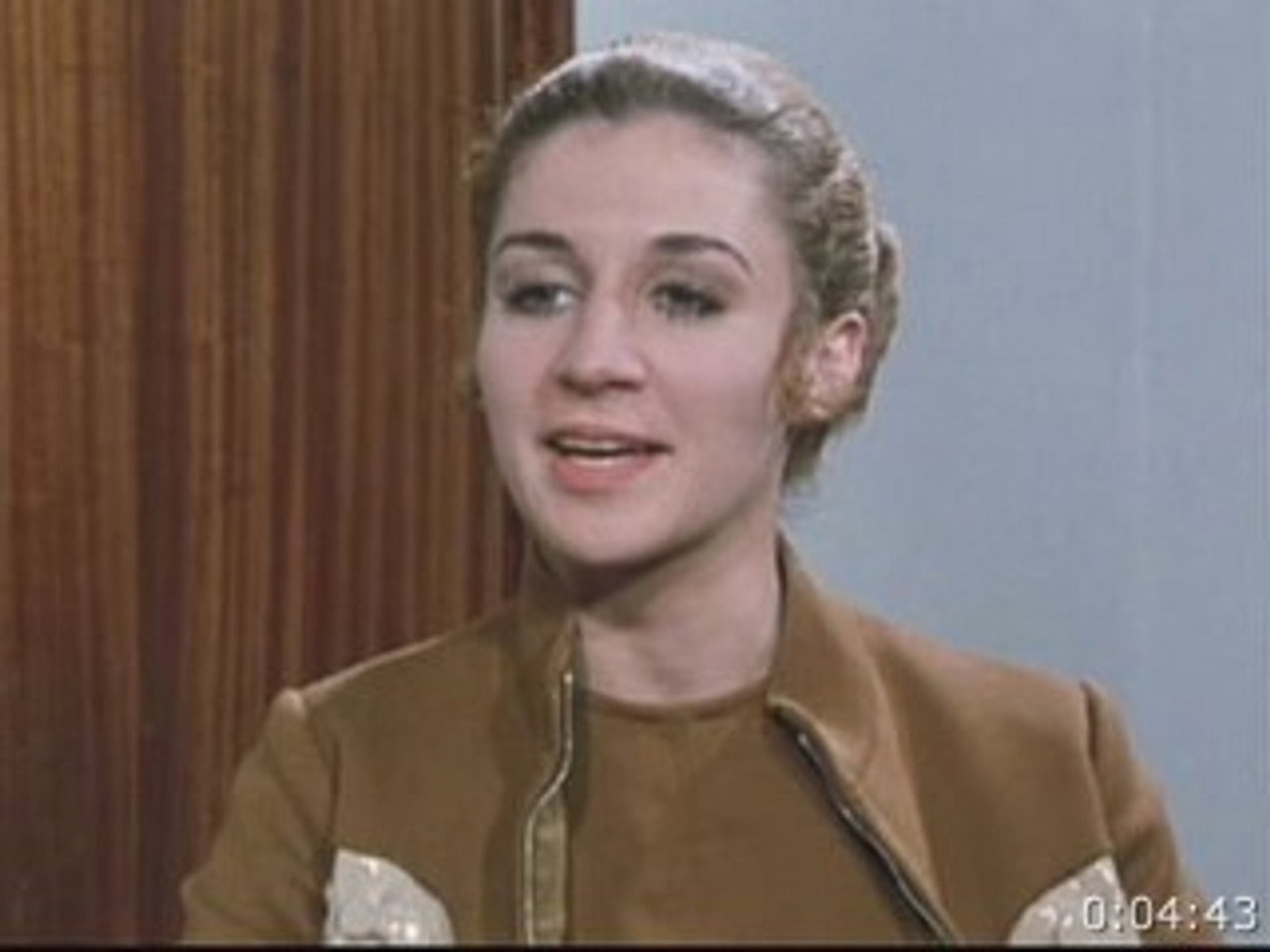
Meteorites fall in the English countryside and a poacher pockets a strange plastic object. Brigadier Lethbridge-Stewart of UNIT recruits Cambridge scientist Liz Shaw to look into them.
- The patient by the police box
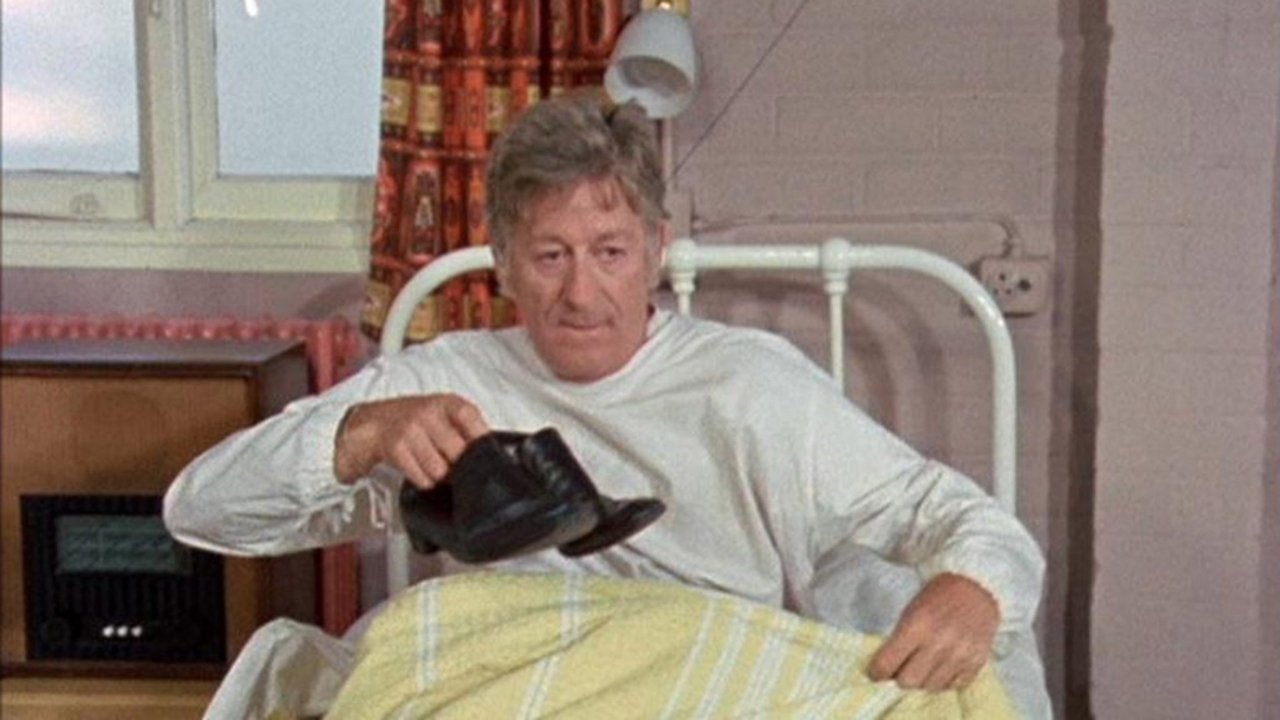
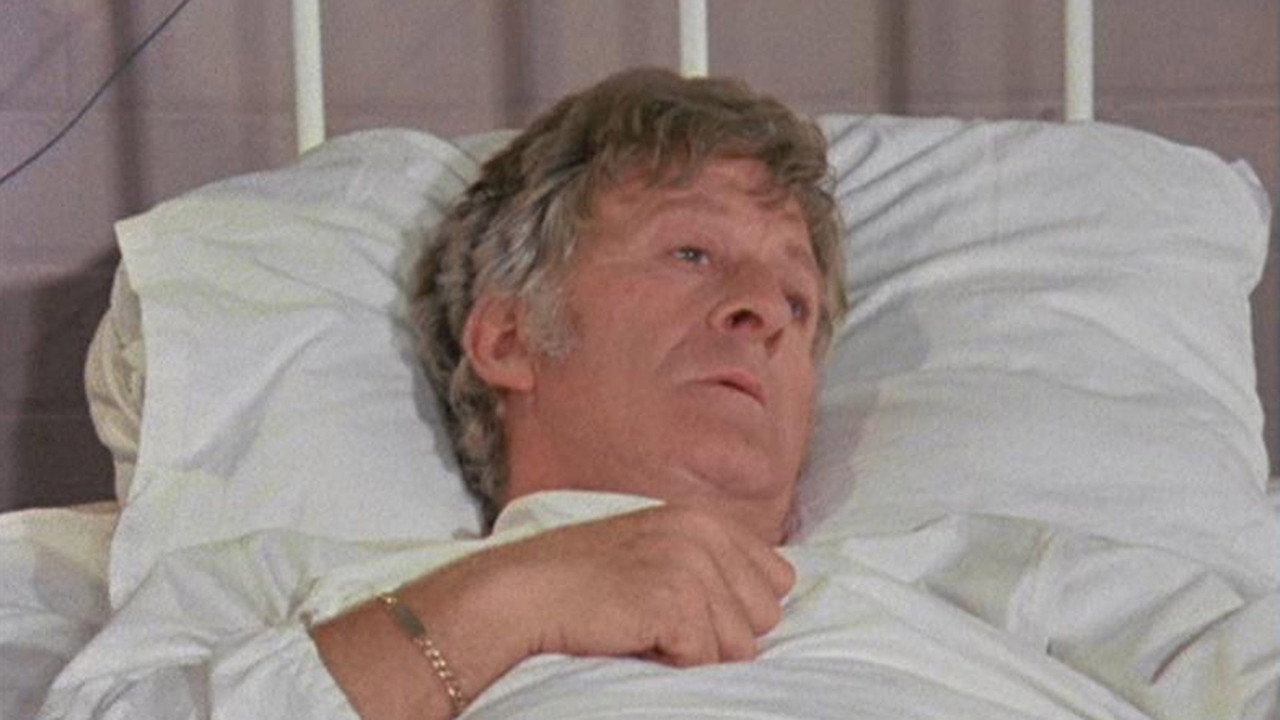
A stranger collapses beside the TARDIS and is taken to Ashbridge Cottage Hospital, where his anatomy baffles the doctors. The Brigadier has never seen this face before.
- Auto Plastics
Something has taken over a plastics factory in Epping. The Doctor convinces the Brigadier he's the same man who helped beat the Yeti and the Cybermen, and he and Liz start digging.
The dummies wakeSpoiler · tap to reveal
The Nestene plans to replace people in power with plastic copies. Its Autons come to life across Britain, and shop-window dummies step out and open fire on a high street.
TentaclesSpoiler · tap to reveal
Bullets don't stop the Autons. Inside the factory a tentacled plastic creature grabs the Doctor, and Liz switches on his device, shutting down every Auton at once.
Why it still matters
This is where Doctor Who starts again. New Doctor, new colour pictures, new title sequence and logo, and a new home base: present-day Earth, with UNIT and Brigadier Lethbridge-Stewart. Season 7 was the first made in colour and the start of Barry Letts's five seasons as producer, but the shape of it was set by his predecessor Derrick Sherwin, who produced this opening story. According to Sherwin, the BBC had even thought about replacing the show with a new Quatermass serial, and the Earth-bound season that followed draws on those serials.
It also looks unlike any other classic serial, because it was shot entirely on 16mm film. Industrial action by studio technicians at the BBC cancelled the planned studio sessions, so the whole thing was made on location, mostly at the BBC's engineering college at Wood Norton near Evesham. That is why it is the one story from the original run that can be released in true high definition. Phelim O'Neill, reviewing the 2013 Blu-ray for The Guardian, said it looks like a very low-budget Doctor Who movie shot in late 1969, "which is pretty much what they did".
Robert Holmes built it from a story he'd written for the 1966 film Invasion, where an alien turns up at a rural hospital and the doctors find he isn't human. To that he added the Nestene, a mind with an affinity for plastic, and its Autons. Sherwin had been struck by how sinister shop mannequins looked on a walk, and the team ran with it. In The Television Companion, David J. Howe and Stephen James Walker called it "arguably the first to really go for the viewer's jugular".
Staying on
The Nestene, a disembodied intelligence whose power units fell as the meteorites, has taken over Auto Plastics and plans to replace key government and public figures with Auton copies. When the Autons activate, gunfire is useless. The Doctor and Liz get into the factory, where the Nestene has made itself a tentacled plastic body; while it throttles the Doctor, Liz turns on his electroshock device, and the shutdown spreads to every Auton.
Earlier the Doctor discovered that the Time Lords had altered the TARDIS's dematerialisation code, so he can't leave. The Brigadier, expecting the Nestene to come back, asks him to stay. He agrees, grudgingly, in return for a laboratory to work on the TARDIS and a car like the old roadster he borrowed during the adventure, and he insists Liz stays too. That arrangement, the Doctor as UNIT's scientific adviser, ran into Tom Baker's first two seasons.
Challenge the DNA
Is the Brigadier right to want the Doctor working for UNIT?
Or skip ahead to our reading
Both, which is why the partnership works. The Brigadier needs the Doctor's brain, and the Doctor needs somewhere to stay. Neither of them is entirely comfortable with the arrangement, and the stories that follow get a lot out of that friction.
Behind the scenes
- The working title was Facsimile. Robert Holmes based it on the story he wrote for the film Invasion (1966), which in turn was inspired by Nigel Kneale's Quatermass II.
- It was meant to mix location film with studio videotape like any other serial. Industrial action by studio technicians at the BBC cancelled the studio sessions, so all four episodes were shot on location on 16mm film, mostly at the BBC engineering college at Wood Norton near Evesham and a pub in nearby Radford.
- Derrick Sherwin got the idea of killer mannequins from a walk past shop dummies and a visit to a doll factory. The Autons were actors in plastic masks, cheap nylon wigs and two sets of clothes each, so there seemed to be more of them, with a hand prop that split open to show a gun.
- The colour titles were by Bernard Lodge. His "howlaround" technique didn't work with colour equipment, so the sequence was made in black and white and tinted by hand. It also brought in a new logo based on the Futura typeface.
- Episode One drew 8.4 million viewers. When BBC1 repeated the story on Friday evenings in July 1971, it was the first time Doctor Who had been shown outside its usual Saturday slot.
- Because it was all shot on film, it is the only classic serial that could be released on Blu-ray in true high definition, which happened in July 2013.
- The Autons came back a year later in Terror of the Autons because of how popular this story had been, and again in 2005 in "Rose", the first episode of the revived series.
The thread
A new Doctor stuck on Earth, and the plastic things in shop windows.
Came before
Shares DNA with
Left its mark on
DNA strand
First Contact & Invaders
The invader here has no face and no body of its own, so it borrows ours, in plastic. Holmes puts the alien threat in factories, hospitals and shop windows, places viewers walked past every week.
Every great sci-fi story is built from a handful of strands like this one. Each strand page explains how it works and traces it across shows, books and films.
If this one stayed with you
Where to go next, and why.
Watch · Doctor Who
"Terror of the Autons" (1971)
Holmes brings the Autons back a year later, and the season after this one opens with them.
Watch · Doctor Who
"The Invasion" (1968)
The story that set up UNIT, so you can see where this season's Earth-bound format came from.
Watch · Film
Invasion of the Body Snatchers (1956)
The classic version of the fear underneath the Autons: the people around you have been swapped for copies.
Read · Novelisation
Doctor Who and the Auton Invasion by Terrance Dicks
The script editor's own 1974 retelling for Target Books, for anyone who'd like the story on paper.
Your next episode
Three directions to go from here, all on Sci-Fi DNA.
More of this feeling
Terror of the Autons
Doctor Who
The Autons come back a year later, with a new villain behind them.
Same question, different answer
The Architects of Fear
The Outer Limits
Ordinary institutions turned into the front line of an invasion.

Something completely different
The End
Red Dwarf
Another first episode that rebuilds a show from scratch, played for laughs.
Sources
- “Spearhead from Space,” Wikipedia
- “Doctor Who season 7,” Wikipedia
- “Nestene Consciousness and Autons,” Wikipedia
- “Robert Holmes (scriptwriter),” Wikipedia
- “Invasion (1966 film),” Wikipedia
- “Doctor Who: Spearhead From Space: this week's new DVD & Blu-ray,” The Guardian
- “Doctor Who Classic Episode Guide: Spearhead from Space, Details,” BBC
- “Spearhead From Space,” A Brief History of Time (Travel), Shannon Sullivan