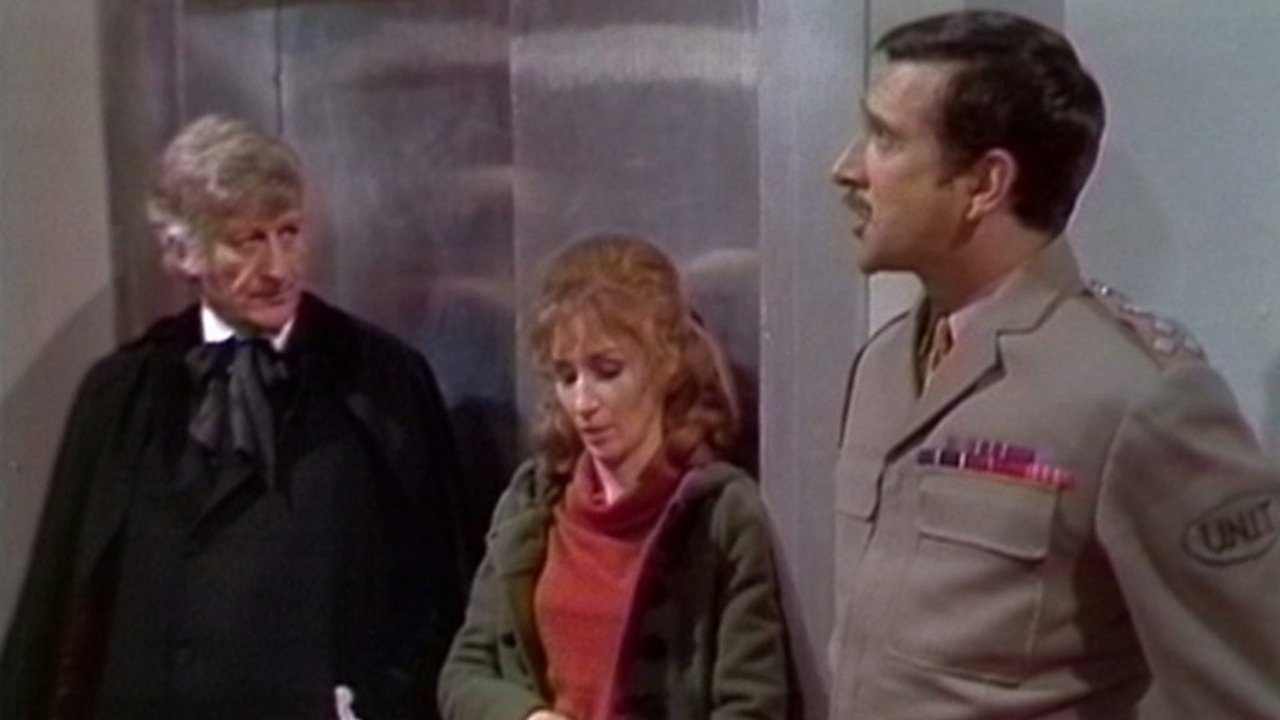
More from the episode
The story in 5 beats
- Power drain on the moor
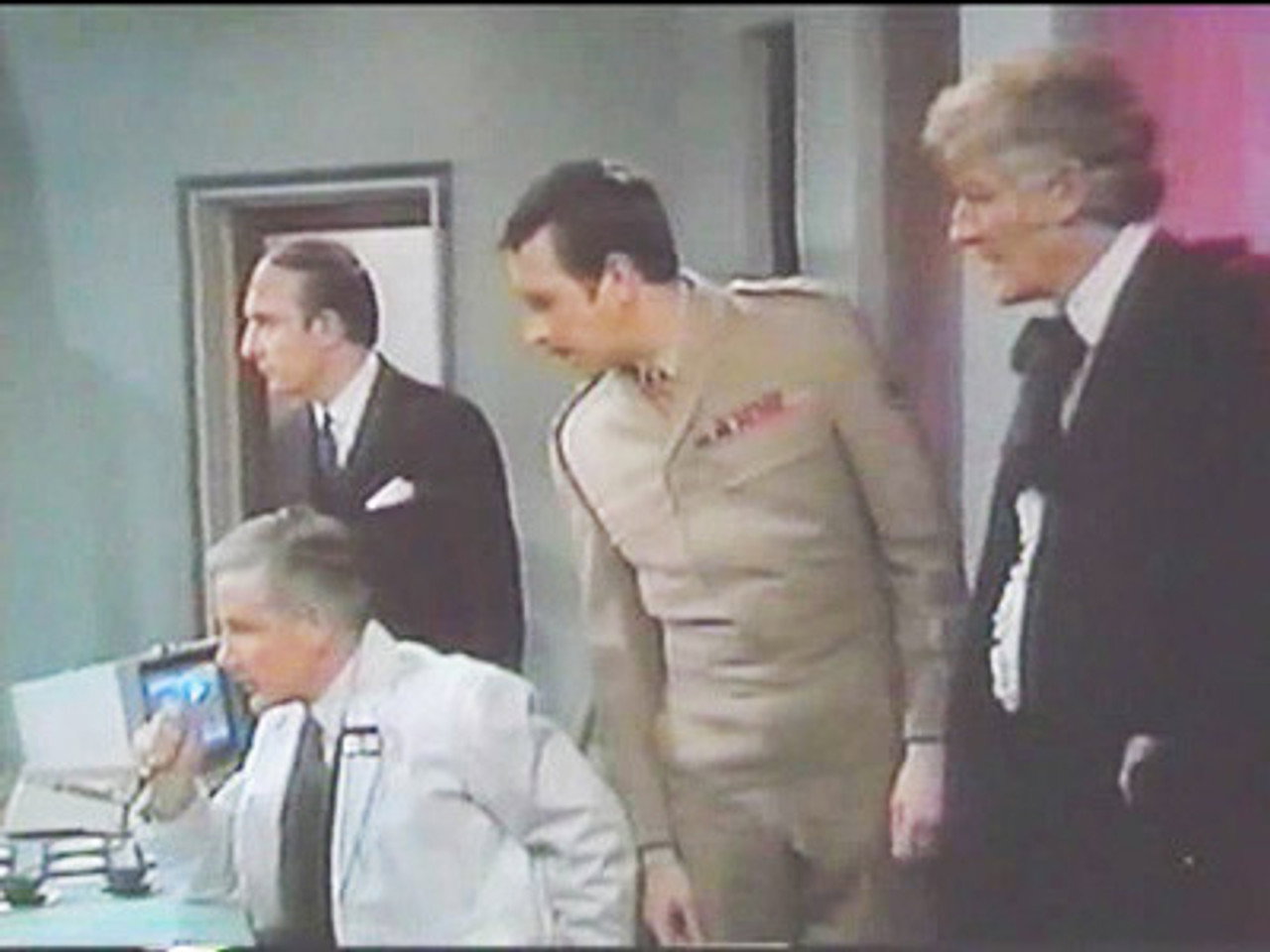
A research centre built into caves keeps losing power from its cyclotron, and its staff are having breakdowns. UNIT is called in, and the security chief, Major Baker, suspects a saboteur.
- Something in the caves
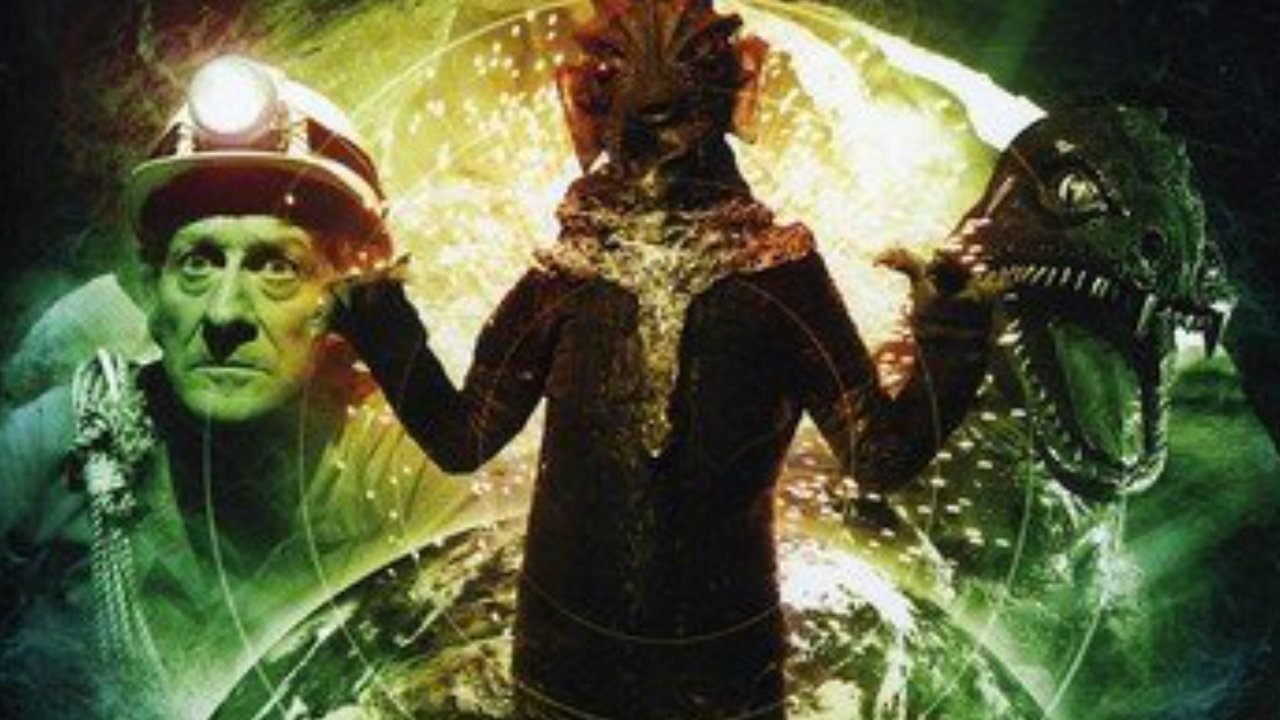
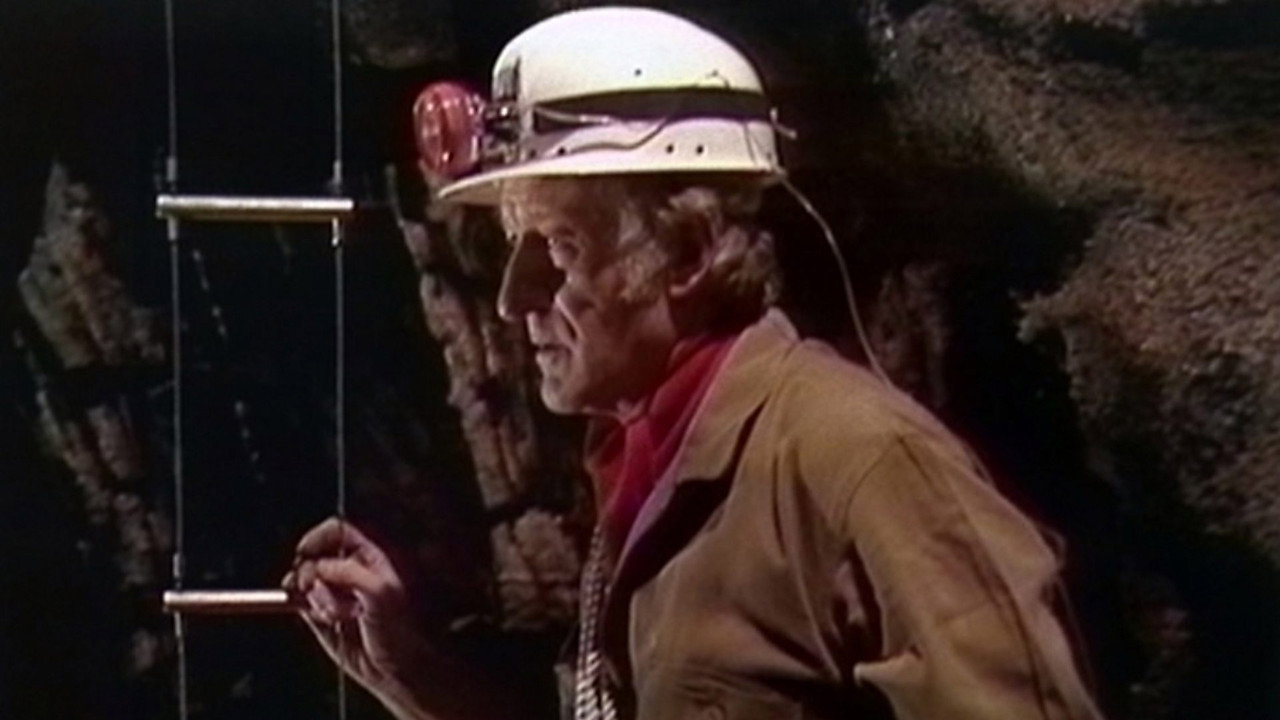
The Doctor and Liz go underground and find a living dinosaur, then a Silurian base, where machines are reviving a reptile from a very long sleep.
- Two leaders, two plans
The Doctor finds the old Silurian leader willing to talk about sharing the planet. A younger Silurian wants humans gone, and the humans upstairs aren't keen on talking either.
Plague in LondonSpoiler · tap to reveal
The Silurians release a disease that spreads through London, and the Doctor races for a cure while the young leader takes command and tries a far bigger plan.
The Brigadier's ordersSpoiler · tap to reveal
The Doctor tricks the Silurians back into hibernation and hopes for peace later. The Brigadier has other ideas.
Why it still matters
With the Doctor stuck on present-day Earth working for UNIT, Malcolm Hulke worried the show was left with two kinds of story: mad scientists and alien invasions. He found a third. The Silurians are intelligent reptiles who went into hibernation long before humans existed and wake up to find their planet taken. Hulke, a former Communist Party member whose Doctor Who scripts steered clear of simple heroes and villains, gives them a case, and the Doctor spends seven weeks trying to get both sides to hear it.
Neither side makes that easy. The Silurians have a cautious old leader and a hothead, and the humans have a jumpy security chief and a civil servant who wants the problem gone. Christopher Bahn at The A.V. Club noted that both the monsters and the humans were more complex than the show had managed before. Mark Braxton in Radio Times wrote that as a species the Silurians "mirror our own suspicion, hatred and general insecurity."
The name has travelled well beyond the show. In 2018 the scientists Gavin Schmidt and Adam Frank asked whether we could even detect an industrial civilisation that came long before ours, and called the question the Silurian hypothesis, after Hulke's reptiles. The rubber costumes have aged badly, and Braxton was hard on the cave set and the dinosaur too, but the premise holds up.
The Brigadier seals the caves
The Doctor's last trick is a bluff with the reactor: he tells the young Silurian the area will be radioactive for decades, and the Silurians go back into hibernation to wait it out. The young leader stays awake to run the faulty machinery, realises he's been fooled, attacks the Doctor and is shot by the Brigadier. The Doctor wants the caves left alone so that, one day, the two species might talk properly.
Then the caves go up. The Brigadier has ordered the base destroyed with the Silurians asleep inside it, and the Doctor's horror is where the story leaves us. It's a hard ending for a teatime serial, and it comes from the Doctor's own side. The idea came back, again written by Hulke, with the sea-dwelling cousins in "The Sea Devils" (1972), and the Silurians returned in 1984 and again in the revived series from 2010.
Challenge the DNA
Was the Brigadier right to destroy the Silurian base?
Or skip ahead to our reading
No, and the Doctor's reaction says it all. The Brigadier acts on his orders and his fear, and the story lets you feel both. It's the moment the show admits the Doctor and UNIT don't always want the same thing.
Behind the scenes
- This is the only serial whose on-screen title includes the words "Doctor Who". Production paperwork often put "Doctor Who and..." in front of story titles, but the prefix was normally dropped for broadcast; here it wasn't. Director Timothy Combe said it was always meant to go out under that name, while historian Andrew Pixley points out that the rehearsal scripts are titled simply "The Silurians".
- It was the first Doctor Who serial recorded with colour studio cameras ("Spearhead from Space" had been shot entirely on film) and the first to use Colour Separation Overlay, the BBC's blue-screen technique, which the show then used for years.
- Terrance Dicks asked Hulke for a story set in caves. Dicks has claimed credit for the idea of creatures who had been there all along, though The Complete History credits Hulke. The two chose the name "Silurian" because it sounded monstrous, even though the story places the reptiles in the wrong geological era.
- Visual effects designer James Ward made the Silurian costumes from sketches by Timothy Combe, who suggested the third eye. Some masks had lights that flashed, and Peter Halliday voiced the Silurians.
- The Marylebone station scenes in London were filmed on November 12, 1969, and reshot on November 24 after the prints were damaged. The heathland scenes were filmed at Hankley Common in Surrey.
- The Doctor's yellow vintage car, Bessie, makes its first appearance in episode one.
- The BBC wiped the original colour videotapes and kept only black-and-white film copies. For the 1993 VHS, colour from an off-air American recording was combined with the film prints. For the 2025 Blu-ray, five episodes got colour recovered from the film prints themselves; episodes 1 and 3 still take theirs from the American recordings.
The thread
Earth's first owners wake up, and nobody wants to share.
Came before
Shares DNA with
Later down the same road
DNA strand
Us vs. Them
Hulke's trick is that the Silurians have a real claim: they were here first. The Doctor ends up as the only one on either side arguing for sharing, and the story is honest about how little patience frightened people have for that.
Every great sci-fi story is built from a handful of strands like this one. Each strand page explains how it works and traces it across shows, books and films.
If this one stayed with you
Where to go next, and why.
Watch · Star Trek
"The Devil in the Dark"
Three years earlier, Star Trek sent its crew underground after something killing miners in the tunnels.
Watch · Doctor Who
"The Sea Devils"
Hulke's follow-up, with the Silurians' cousins coming out of the sea. If the arguments in this one held you, the sequel has more of them.
Watch · Doctor Who
"The Hungry Earth"
The revived series' first go at the Silurians, with better make-up and the same question about who the planet belongs to.
Read · Novelisation
Doctor Who and the Cave-Monsters — Malcolm Hulke
Hulke's own 1974 book of the story tells large parts of it from the reptiles' side and opens with them going into hibernation.
Read · Novel
Inherit the Stars — James P. Hogan
A 1977 novel about traces of an intelligence older than ours. Schmidt and Frank cited it as one of the rare stories with the same idea when they wrote up the Silurian hypothesis.
Your next episode
Three directions to go from here, all on Sci-Fi DNA.
More of this feeling
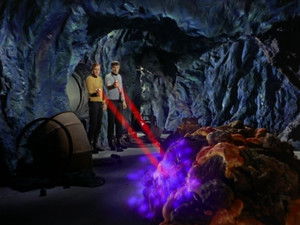
The Devil in the Dark
Star Trek
Another creature under the ground that humans are quick to call a monster.
Same question, different answer
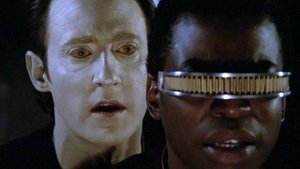
Home Soil
Star Trek: The Next Generation
Who has the right to a planet: the ones there first or the ones there now?
Something completely different
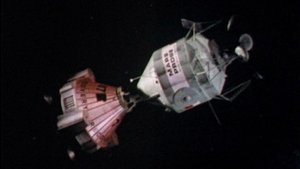
The Ambassadors of Death
Doctor Who
A space-race thriller with astronauts who aren't who they seem.
Sources
- “Doctor Who and the Silurians,” Wikipedia
- “Silurian and Sea Devil,” Wikipedia
- “Malcolm Hulke,” Wikipedia
- “Silurian hypothesis,” Wikipedia
- Gavin A. Schmidt and Adam Frank, “The Silurian Hypothesis: Would it be possible to detect an industrial civilization in the geological record?,” International Journal of Astrobiology (Cambridge University Press)
- Christopher Bahn, “Doctor Who (Classic): "Doctor Who And The Silurians",” The A.V. Club
- Mark Braxton, “Doctor Who and the Silurians,” Radio Times