More from the episode
The story in 5 beats
- Cranleigh Halt, 1925
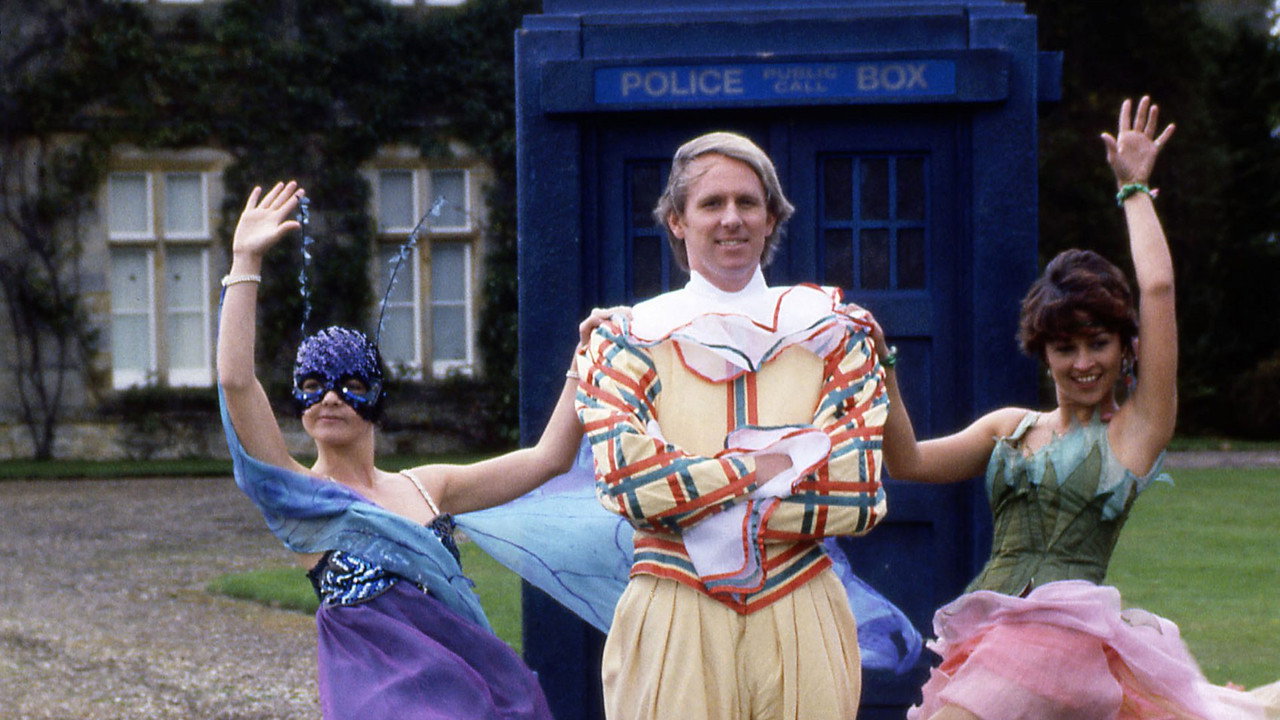
The TARDIS lands at a railway station in June 1925, and a chauffeur greets the Doctor as the guest Lord Cranleigh is expecting.
- Not cricket
Cranleigh has mistaken him for a friend who was meant to help his team. The Doctor plays anyway and wins the match.
- The fancy dress ball
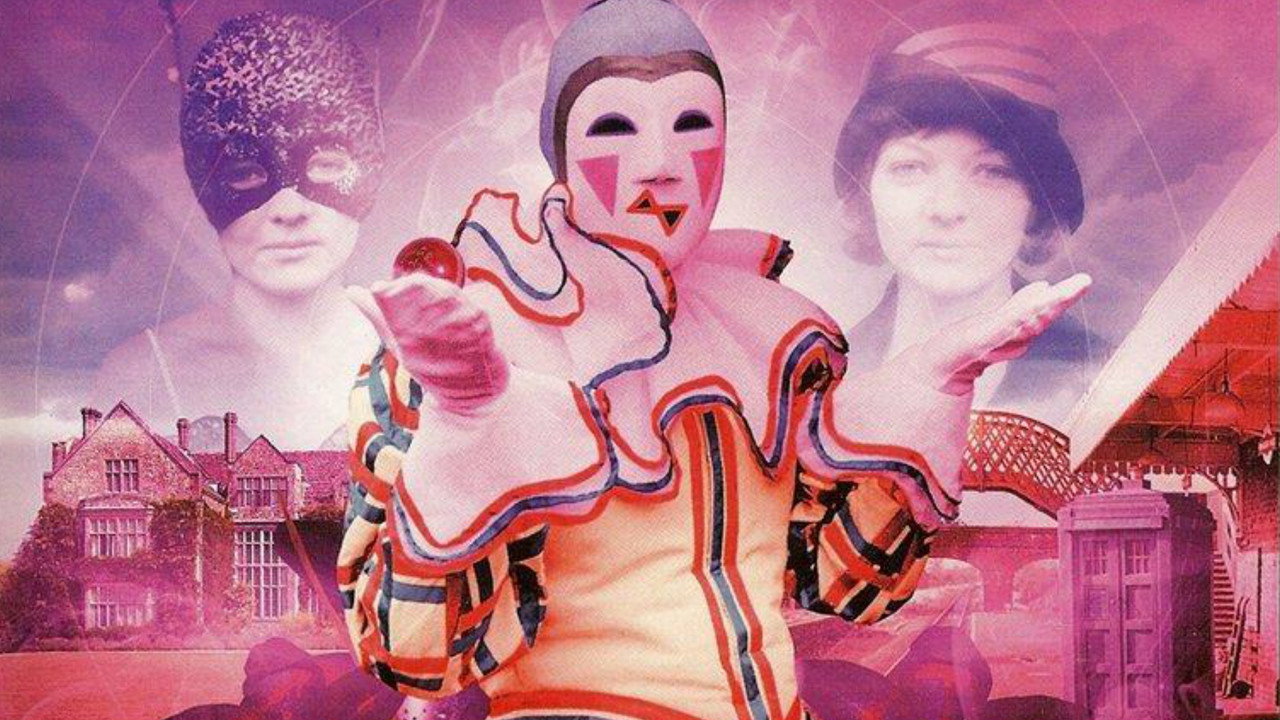
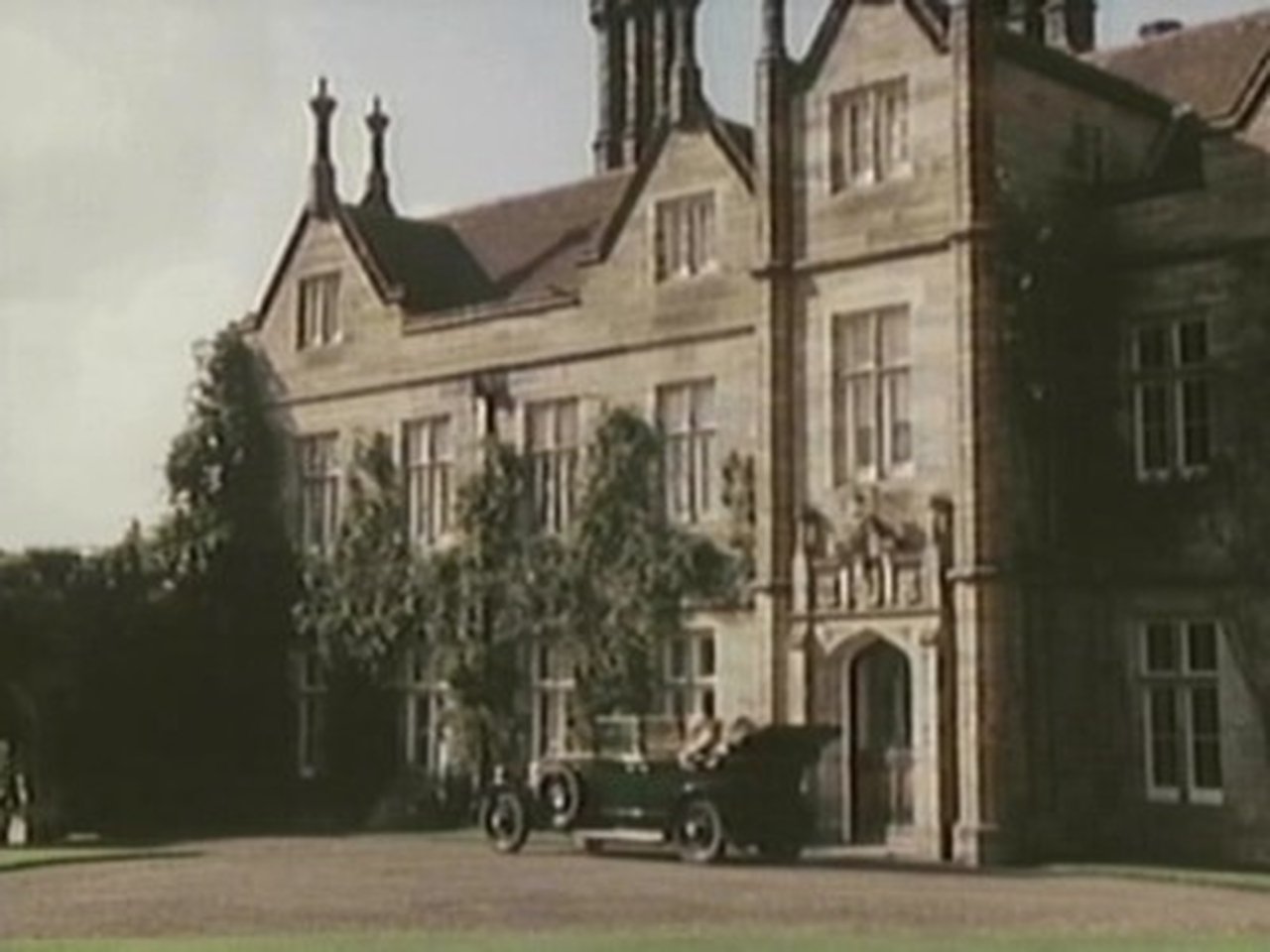
At Cranleigh Hall, Nyssa meets her double, Ann Talbot. The Doctor gets lost in a secret passage while someone else wears his costume to the ball.
Arrested for murderSpoiler · tap to reveal
Two servants are dead, the costume points at the Doctor and the Chief Constable arrests him. Proving his innocence means showing a policeman the TARDIS.
The locked roomSpoiler · tap to reveal
Fire breaks out, Nyssa is carried off, and Lady Cranleigh finally explains who has been living hidden in the house.
Why it still matters
For two episodes in 1982, Doctor Who stopped being science fiction. There is no monster and no alien plot, only the TARDIS, an English country house in 1925, a cricket match and a costume ball where people start dying. The Television Companion notes it was the first story since The Highlanders in 1966 with no science-fiction element beyond the TARDIS and its crew, and it isn't tied to any particular historical event either.
Terence Dudley, a BBC veteran who had produced Doomwatch and Survivors and written Four to Doomsday earlier in the season, wrote it as a country-house murder mystery. Peter Davison's Doctor gets a cricket match, Tegan, Nyssa and Adric get a party, and Sarah Sutton plays two parts: Nyssa and Ann Talbot, Lord Cranleigh's fiancée, who looks exactly like her. Patrick Mulkern of Radio Times praised the change to the formula and singled out Sutton for finally being given more to do.
Critics have been split. The Discontinuity Guide was warm, calling it "a little piece of 20s whimsy sampled into Doctor Who with surprisingly satisfying results," while Christopher Bahn of The A.V. Club liked the low stakes but found it too reliant on Agatha Christie-style material: "an interesting curiosity, but nothing more."
The brother in the locked room
The masked figure is George Cranleigh, Lady Cranleigh's eldest son, the botanist who found the black orchid on the banks of the Orinoco. On that expedition he was captured by a tribe that revered the flower; they cut out his tongue and tortured him, and he came home disfigured and mentally scarred, brought back by Latoni. Lady Cranleigh kept him locked away, mainly to spare Ann the shock of seeing him: she had been engaged to George first. He snatches Nyssa believing she is Ann, and when the Doctor shows him his mistake, George falls to his death as his brother reaches out to him.
The credits played along: Gareth Milne was billed as "The Unknown" for Part One and as George Cranleigh for Part Two. The story ends quietly, with Ann giving Tegan and Nyssa their costumes and Lady Cranleigh giving the Doctor a copy of George's book, which he says he will treasure.
Challenge the DNA
Was Lady Cranleigh right to hide George?
Or skip ahead to our reading
She was protecting him, and it cost lives. The story is a period melodrama, and her choice is the kind melodramas run on. It's sad rather than evil, which suits the gentle tone.
Behind the scenes
- The Television Companion (1998) notes it was the first story with no science-fiction elements beyond the TARDIS and regular cast since The Highlanders (1966). It praised the production values and regretted that the story didn't lead to more historicals.
- Quainton Road station in Buckinghamshire, now home to the Buckinghamshire Railway Centre, was one of the filming locations; The Jewel in the Crown and Midsomer Murders have filmed there too.
- Gareth Milne's character was credited as "The Unknown" in Part One and in Radio Times, to keep the story's surprise.
- Ivor Salter, who plays Sergeant Markham, had played the Morok Commander in The Space Museum and Odysseus in The Myth Makers in the 1960s.
- The two parts went out on consecutive evenings and drew 9.9 and 10.1 million viewers. A BBC1 repeat in 1983 drew 4.4 and 5.0 million.
- The 2018 Season 19 Blu-ray box set added an optional extended cut of Part One, running 27:32, more than two and a half minutes longer than the broadcast version.
The thread
Country houses, doubles, costumes and a family secret, with the science fiction left in the TARDIS.
Came before
Shares DNA with
DNA strand
Alternate Selves
Everyone at Cranleigh Hall is taken for someone else. The Doctor is mistaken for a cricketer, Nyssa for her double Ann, and at a costume ball anyone can wear anyone's clothes. The story hangs its mystery on that confusion, and on who might be hiding behind a mask.
Every great sci-fi story is built from a handful of strands like this one. Each strand page explains how it works and traces it across shows, books and films.
If this one stayed with you
Where to go next, and why.
Watch · Doctor Who
"The Unicorn and the Wasp"
The revived series takes the same 1920s country-house murder party and invites Agatha Christie.
Watch · Doctor Who
"Horror of Fang Rock"
Another period story where strangers in one building start dying and the Doctor has to work out why.
Watch · TNG S1
"The Big Goodbye"
Star Trek's crew dress up and play detective in the past, with the same pleasure in costumes and period manners.
Read · Novel
The Murder of Roger Ackroyd — Agatha Christie
Christie in 1926, a year after the story is set: a village, a big house and a murder, the world Black Orchid borrows.
Your next episode
Three directions to go from here, all on Sci-Fi DNA.

More of this feeling
The Highlanders
Doctor Who
Another history story with no science fiction in it.
Same question, different answer
The Big Goodbye
Star Trek: The Next Generation
A trip into the 1920s or 30s that turns more dangerous than a costume party should.
Something completely different
Earthshock
Doctor Who
Caves, androids and a story people still talk about.