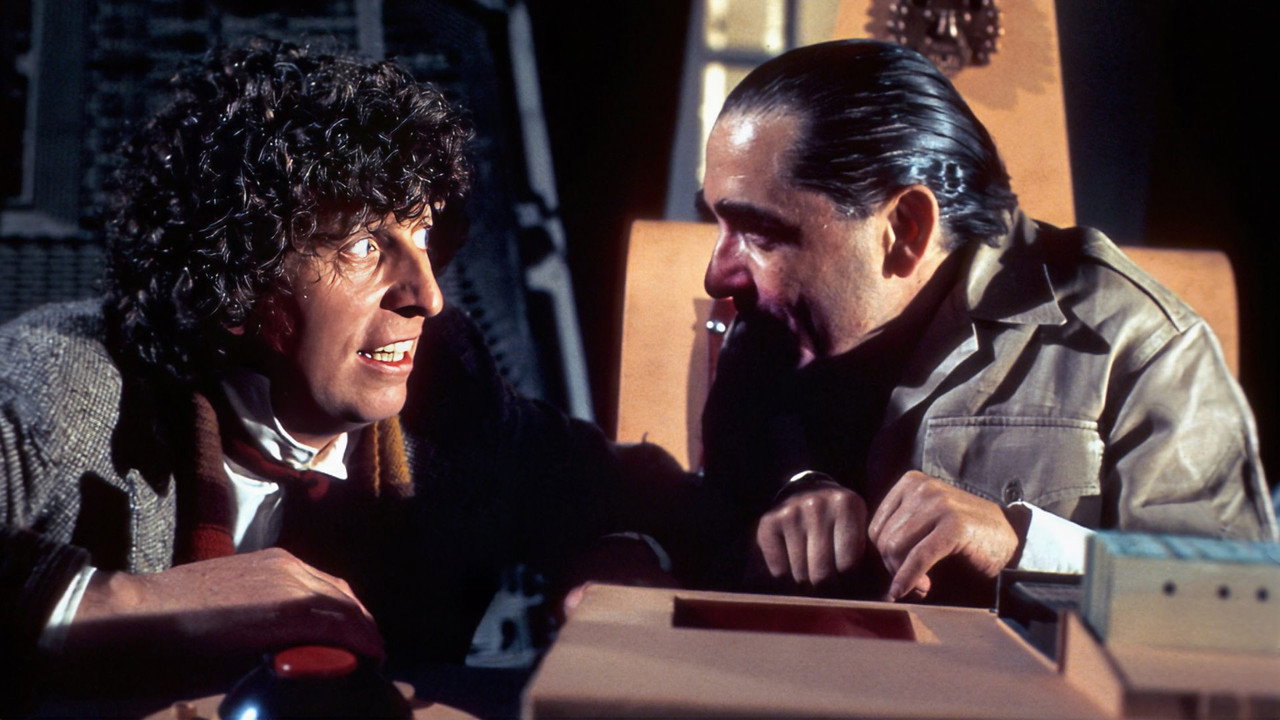
More from the episode
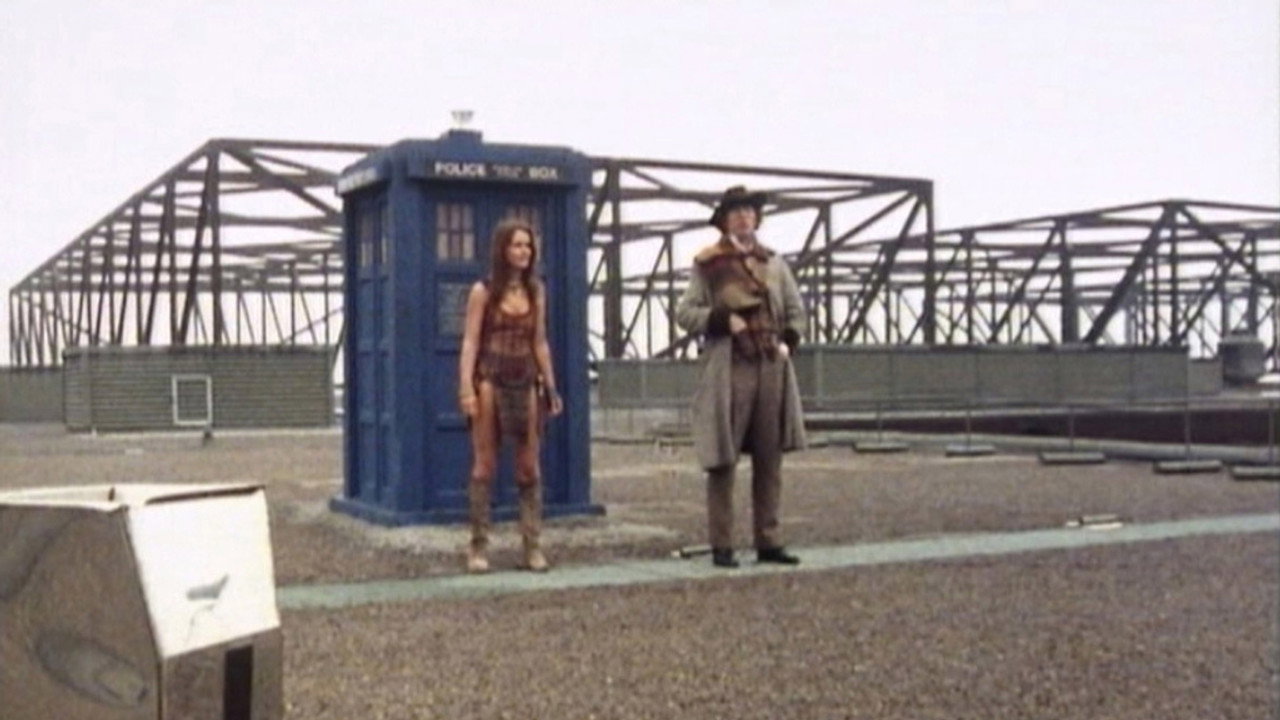
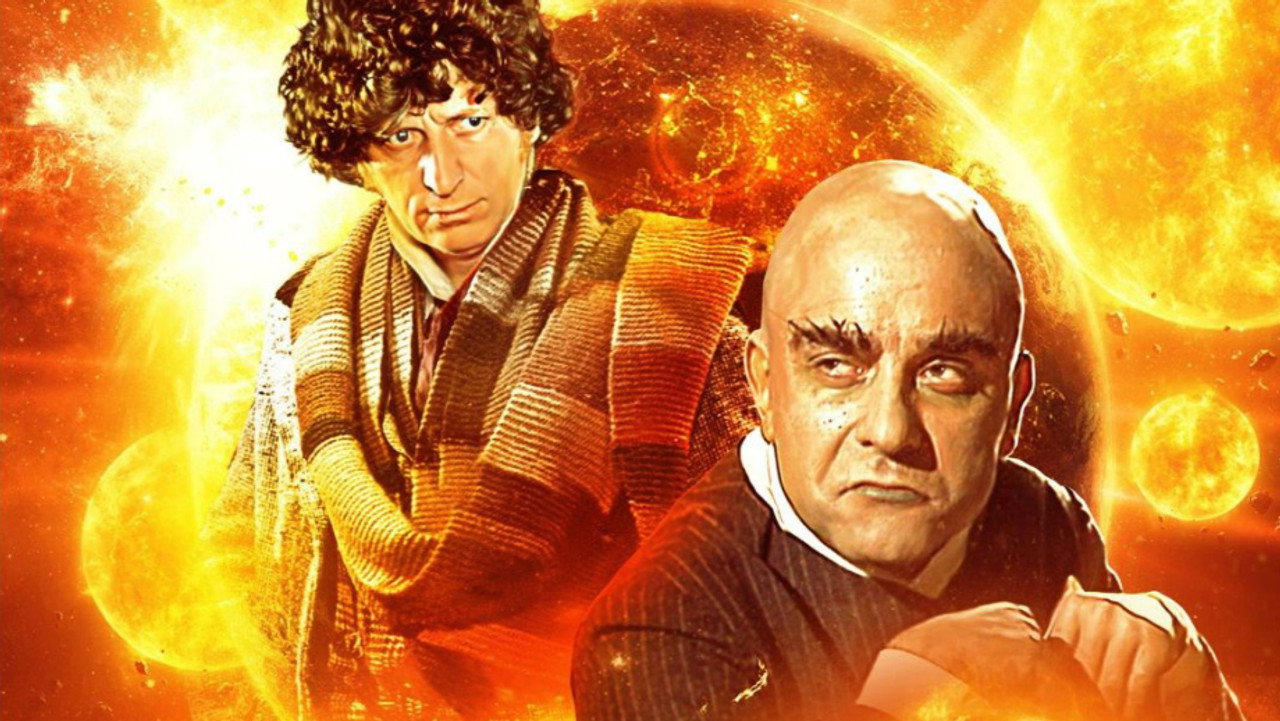
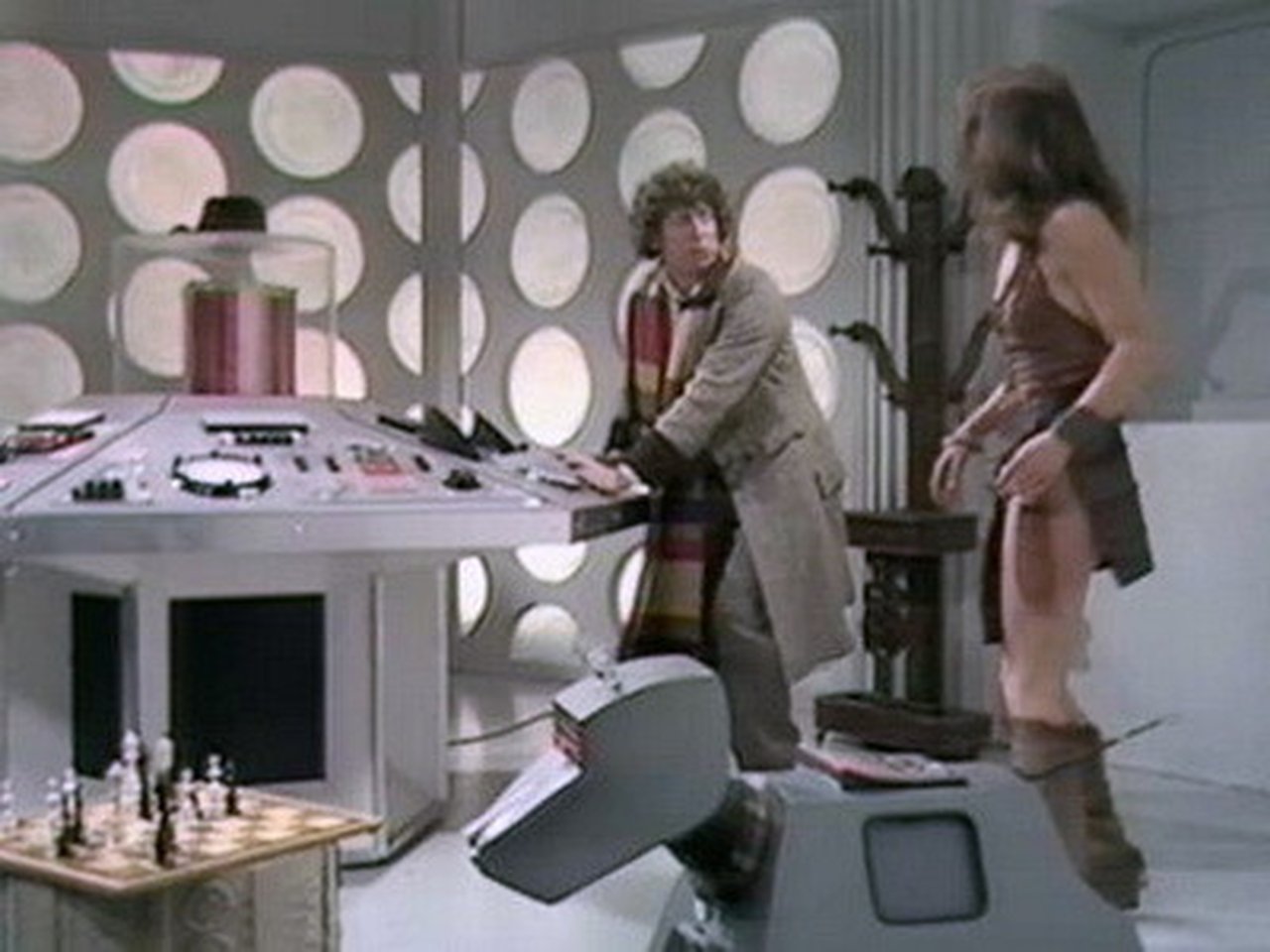
The story in 5 beats
- A man on the edge
On Pluto, the Doctor and Leela arrive just in time to stop Cordo killing himself because he can't pay his tax bill.
- The Undercity
Below the city live the people who dropped out of the system, led by the thug Mandrel, who sends the Doctor to rob a cash machine with a stolen card.
- Let him run
Caught and gassed, the Doctor wakes in a Correction Centre. Gatherer Hade releases him on purpose, hoping he'll lead the Company to a conspiracy.
RevolutionSpoiler · tap to reveal
The Doctor persuades the Undercity to revolt. Their first target is the plant that pipes a fear-inducing drug into the air, and the revolution spreads to the citizens.
BankruptcySpoiler · tap to reveal
In the Collector's palace the Doctor sabotages the Company's computer, and the Collector meets the one thing he can't survive.
Why it still matters
Doctor Who has toppled plenty of tyrants, but this is the one where the tyrant is the tax office. Robert Holmes, script editor since 1974 and one of the show's sharpest writers, built a whole society around the bill: citizens crushed by ever-rising taxes, and a Company with a monopoly on the light and heat that collects them. The BBC's own episode guide sums it up in six words: "The Doctor takes on the tax system."
It is also a comedy, and a pointed one. David J. Howe and Stephen James Walker praised its "high level of sophisticated humour" aimed at the tax system, and Mark Braxton in Radio Times called it "playful, witty, ingenious." Not everyone was won over: Dave Golder in SFX found the satire "rather blunt" and the corridors "really boring." The villain, Henry Woolf's Collector, is a bean-counter in a wheelchair who treats human misery as a line item.
Behind the camera it marks a handover. Holmes was replaced as script editor by Anthony Read during this story, and neither is credited for the job on screen. Louise Jameson has said, on two DVD commentaries, that it was her favourite of her serials, and it did well at the time, peaking at 9.5 million viewers.
Death of an accountant
The revolt spreads. Gatherer Hade, sent to deal with citizens going up on the roof to look at the sun, is thrown to his death from the top of his Megropolis, and his deputy Marn changes sides. When Terrance Dicks novelised the story in 1982, he toned that scene down, so the rebels feel they have gone "a bit too far".
The Collector turns out to be a Usurian, a seaweed-like, poisonous fungus from the planet Usurius, whose company used up Mars after Earth became unlivable, then moved on to Pluto. The Doctor's tampering makes the Company's computer project bankruptcy, and the shock makes the Collector revert to his natural state in a compartment at the base of his wheelchair. The Doctor seals him in, and leaves Cordo, Mandrel and the others thinking about recolonising Earth.
Challenge the DNA
Is The Sun Makers too angry to be fun?
Or skip ahead to our reading
No. Holmes was clearly enjoying himself, and so is the cast. A revolution that starts with people going up on the roof to see the sun is a good joke and a good image, and the story knows when to stop being angry and start being silly.
Behind the scenes
- Holmes wrote it to follow K9's introduction and settle him in as a regular. Scheduling problems swapped the order, so Image of the Fendahl went out first, although The Sun Makers had been recorded before it.
- Robert Holmes handed over to Anthony Read as script editor during this story. Neither is credited as script editor on it.
- Director Pennant Roberts wanted the story's giant credit cards to look like Barclaycards. Producer Graham Williams vetoed it, saying it would be free publicity for the bank.
- Michael Keating, who plays the rebel Goudry, first appeared as Vila in Blake's 7 just over a month later. Vila was the only character in all 52 episodes of that series.
- The four parts drew 8.5, 9.5, 8.9 and 8.4 million viewers. Silva Screen released Dudley Simpson's score on CD and vinyl in 2020.
The thread
Societies run like a business, citizens kept docile, and the day somebody stops paying.
Came before
Shares DNA with
DNA strand
The State Knows Best
On Pluto the state is a company, and its idea of what's best for you comes with an invoice. Holmes keeps the joke going while letting you see the cruelty underneath it: a society that pipes a fear drug into the air so nobody fights the bill.
Every great sci-fi story is built from a handful of strands like this one. Each strand page explains how it works and traces it across shows, books and films.
If this one stayed with you
Where to go next, and why.
Watch · Black Mirror S1
"Fifteen Million Merits"
The same nightmare of a world where every breath costs something, played straight and without the jokes.
Watch · Star Trek
"The Return of the Archons"
Another crew walks into a calm, controlled society and starts pulling at the threads.
Watch · Film
Brazil
If the paperwork jokes are your favourite part, Gilliam takes them as far as they can go.
Read · Novel
The Space Merchants — Frederik Pohl and C. M. Kornbluth
A satire of a corporate-run future written 25 years earlier, with the same mix of jokes and anger.
Your next episode
Three directions to go from here, all on Sci-Fi DNA.
More of this feeling
Fifteen Million Merits
Black Mirror
A society that keeps people working and paying until they drop.

Same question, different answer
The Obsolete Man
The Twilight Zone
A system that decides who is worth keeping.
Something completely different
Underworld
Doctor Who
An epic quest, all shot on model sets.