More from the episode
The story in 5 beats
- An empty station
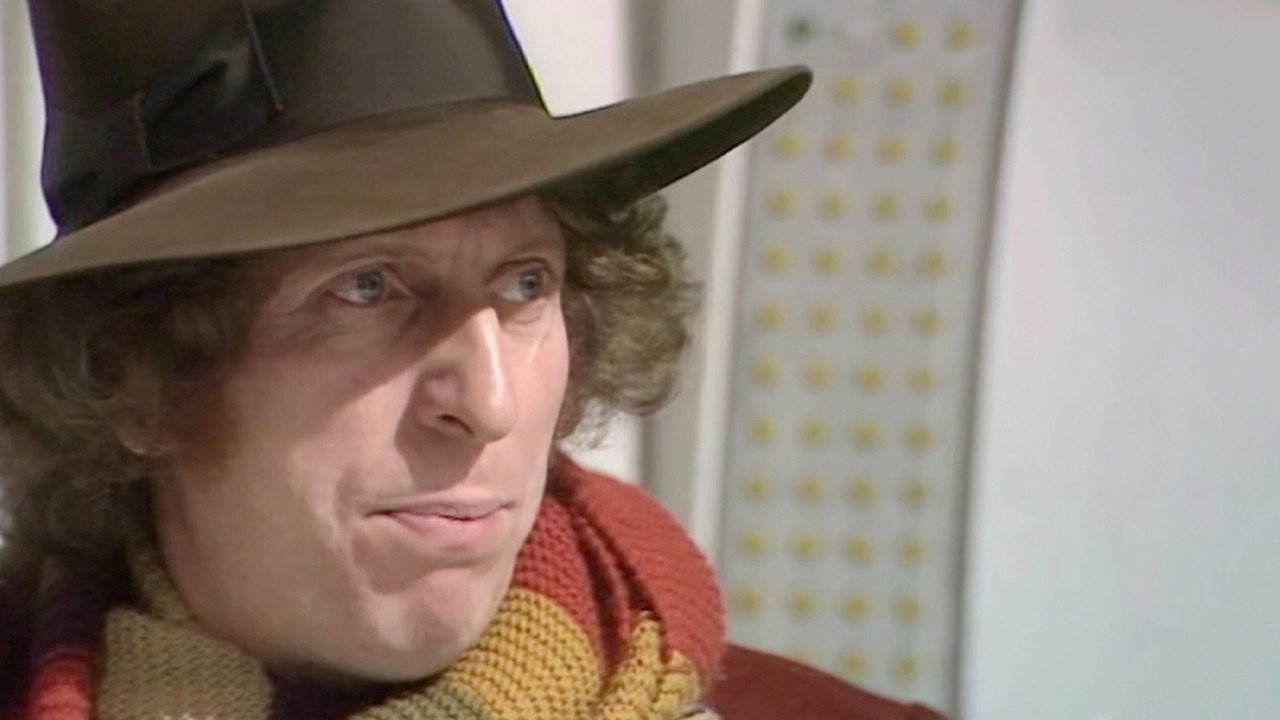
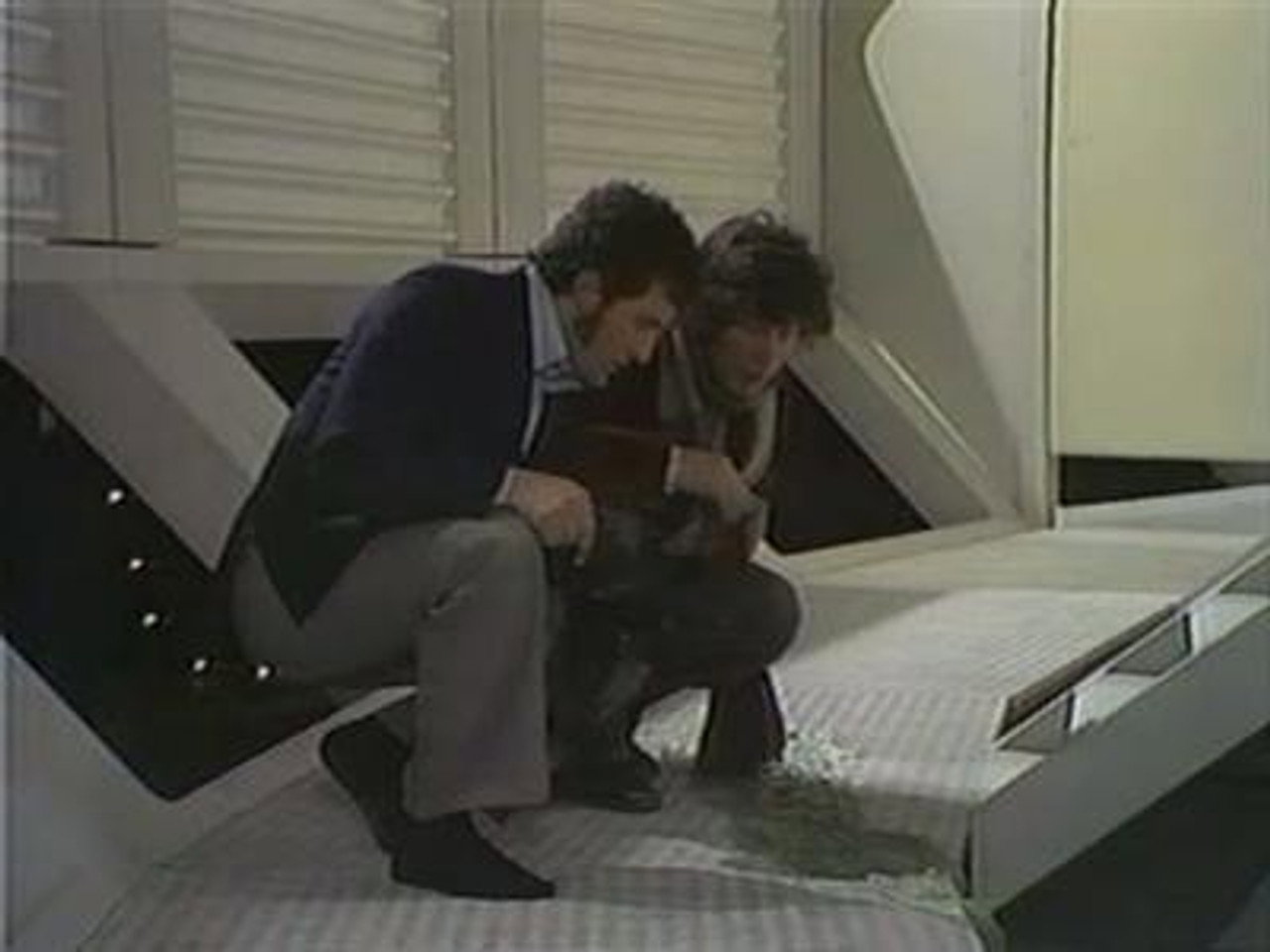
The Doctor, Sarah and Harry land on a station that seems deserted. Its systems act on their own, and Sarah is taken into suspended animation.
- The sleepers
Nerva is an ark: the last of humanity, asleep until Earth recovers from the solar flares. The Doctor finds they have slept far longer than planned.
- Something in the stack
A mummified insect the size of a man turns up. The waking crew suspect the strangers, while something moves in the station's machinery.
NoahSpoiler · tap to reveal
The commander is infected, and the Wirrn larvae inside the station are maturing faster than the crew can be woken and evacuated.
The swarm leavesSpoiler · tap to reveal
Sarah crawls through a conduit to bring power, the Doctor electrifies the sleepers' chamber, and the swarm ends up aboard the transport ship.
Why it still matters
Both men who ran the revived Doctor Who have named this as their favourite story of the original series. Russell T Davies said so on stage at a BAFTA event in 2008, and Steven Moffat wrote in 2010 that it was his usual answer, adding: "it is BEAUTIFUL writing. Robert Holmes - come back!!" That is a lot of love for four episodes made entirely in the studio.
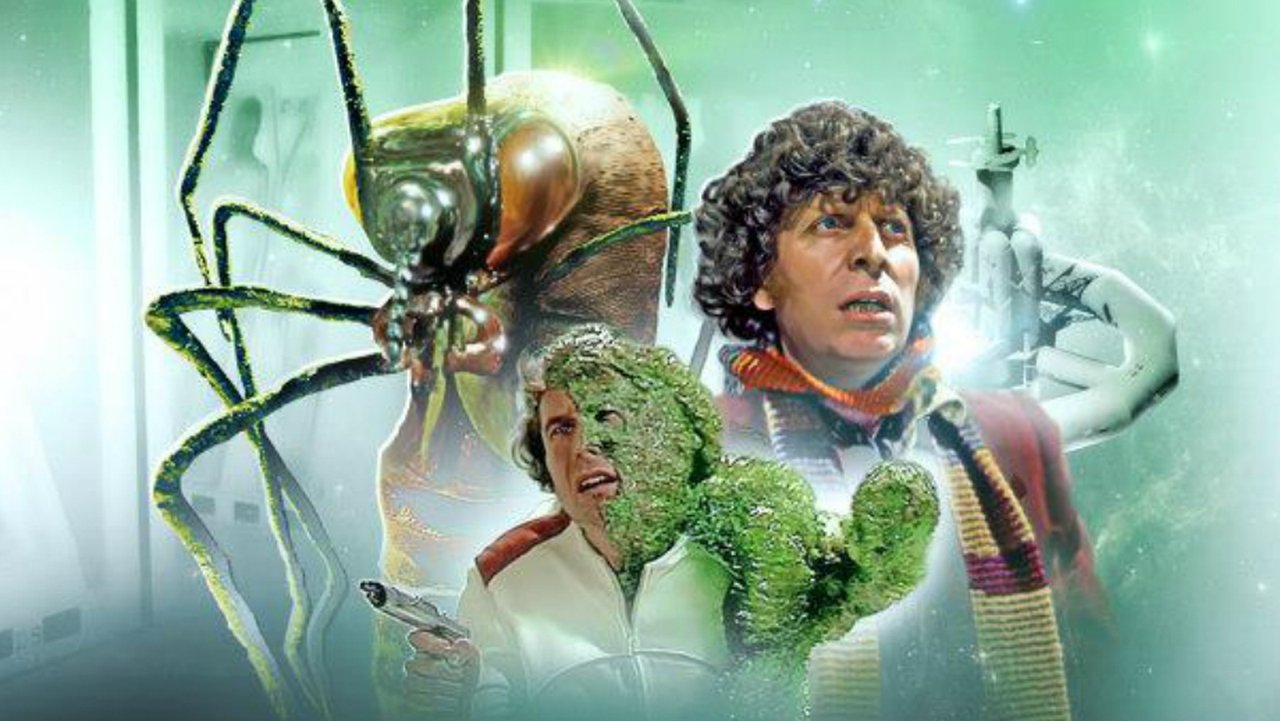
It is also where the show turned towards horror. Philip Hinchcliffe, producing his first broadcast story, wanted to win more adult viewers, and Holmes, the new script editor, gave him a slow, grim body-horror piece: insect aliens, the Wirrn, that lay their eggs in living hosts and take over what they know. In The Television Companion, David J. Howe and Stephen James Walker called it some of the most horrific material the series had shown to that point. Part two drew 13.6 million viewers.
Under the monsters is a story about the end of the world handled with real care. Earth has been scorched by solar flares and the survivors sleep aboard Space Station Nerva, waiting to go home and start again. The commander is called Noah, and the academic Andrew Crome reads the whole thing as a retelling of the Flood, down to the High Minister's recorded speech telling the sleepers to make a burned Earth fertile again.
The last of Noah
The Wirrn were driven from their home by human settlers, and they want the sleepers' bodies and everything in their heads. Noah, infected in the power room, fights the change for as long as he can and then becomes the swarm leader. He offers the crew safe passage if they leave the sleepers behind, and they refuse. Kenton Moore's slow transformation is still the part people remember, even with the bubble wrap. A scene in which the half-changed Noah begs Vira to kill him was judged too frightening for children and cut.
With the sleepers' chamber electrified, Noah leads the whole swarm onto the transport ship. The crew set its autopilot and get out, the ship launches and explodes with every Wirrn aboard, and Noah sends Vira one last goodbye. The Doctor wonders whether some of Noah steered them there on purpose. Then the travellers transmat down to Earth to fix the receiving station so the colonists can follow, which leads straight into The Sontaran Experiment.
Challenge the DNA
Was Noah a hero or a victim?
Or skip ahead to our reading
Both, and the story gives him both. He fights the thing taking him over for as long as he can, and in the end he does what he can for the people he was meant to lead. It's one of the era's most humane monster stories.
Behind the scenes
- Holmes wrote the scripts after a story by John Lucarotti was judged unusable. Lucarotti, who had written Marco Polo and The Aztecs in the 1960s, gets no screen credit.
- Barry Letts planned the story, first called Space Station, before Philip Hinchcliffe took over. It was made with the two-part The Sontaran Experiment as one six-part block to save money: this one entirely in the studio, that one entirely on location.
- It was recorded in October and November 1974. The Nerva sets were used again for Revenge of the Cybermen, set on the station at an earlier point in its history.
- Ratings ran 9.4, 13.6, 11.2 and 10.2 million across the four parts. A one-episode omnibus went out on August 20, 1975 and reached 8.2 million.
- The Discontinuity Guide (1995) suggested it might have influenced Alien (1979). Asked in 2014 about borrowing from the Alien films, Moffat replied that "they never asked Doctor Who to borrow the plot of The Ark in Space".
- Ian Marter, who played Harry, wrote the Target novelisation (1977), the first of eight he wrote. He spelled the monsters "Wirrrn".
- Doctor Who Magazine's 2009 Mighty 200 poll, which ranked every story to date, put it 28th.
The thread
Sleeping survivors, an ark that outlasts the Earth, and a parasite that wants what people know.
Came before
Shares DNA with
Left its mark on
DNA strand
First Contact & Invaders
The Wirrn don't arrive with ships and ray guns. They wait in the machinery, take one person from the inside, and want everything that person knows, which makes the invasion feel very close.
Every great sci-fi story is built from a handful of strands like this one. Each strand page explains how it works and traces it across shows, books and films.
If this one stayed with you
Where to go next, and why.
Watch · Star Trek S1
"Space Seed"
Another crew opens the sleeper pods and finds out that waking people up has consequences.
Watch · Doctor Who
"The Ark"
The show's first go at humanity's lifeboat, nine years earlier and much stranger.
Watch · Film
Alien (1979)
Watch the two a few days apart and decide for yourself how much the comparison holds.
Read · Novelisation
Doctor Who and the Ark in Space, Ian Marter
Harry's actor retells the story and tidies the logic he thought was wobbly on screen.
Your next episode
Three directions to go from here, all on Sci-Fi DNA.
More of this feeling
The Ark
Doctor Who
Another ship carrying the last of humanity, and something going wrong aboard.

Same question, different answer
The Hunted
Star Trek: The Next Generation
Sleeping soldiers, frightened rulers and who gets to wake up.

Something completely different
Robot
Doctor Who
Back a story, to the new Doctor's first romp on Earth.