
More from the episode
The story in 5 beats
- A tip in Mendota
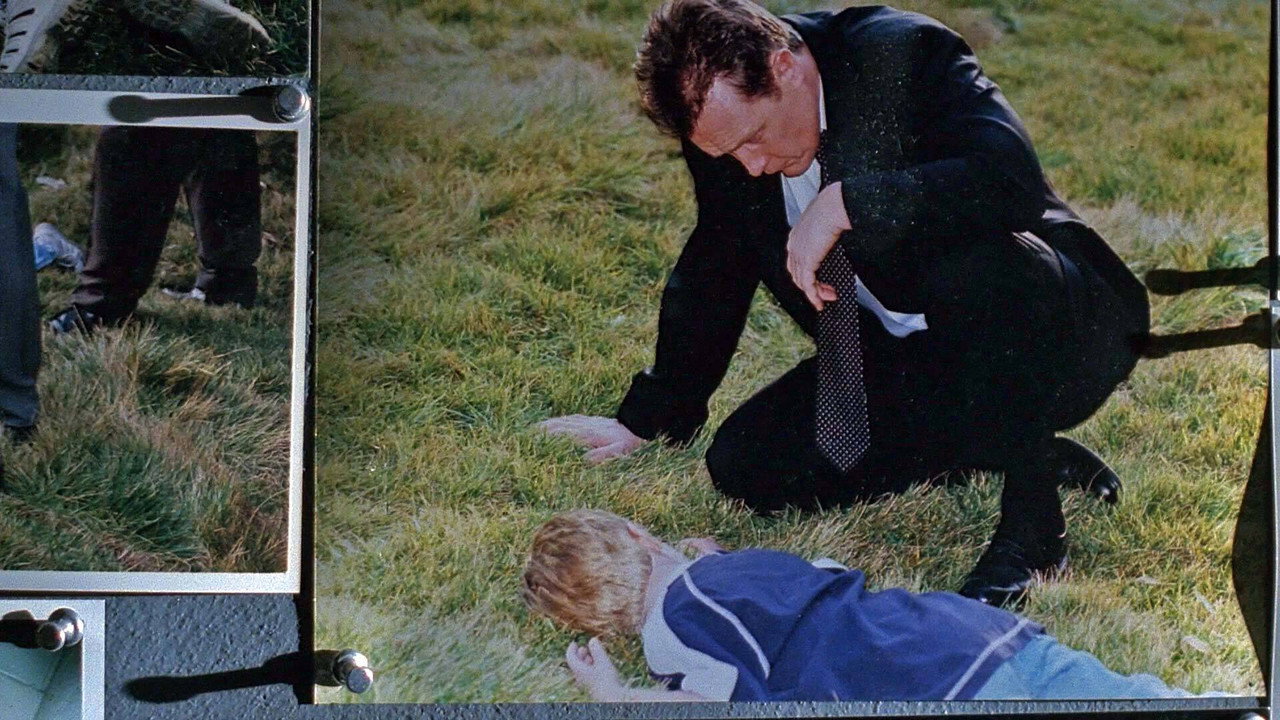
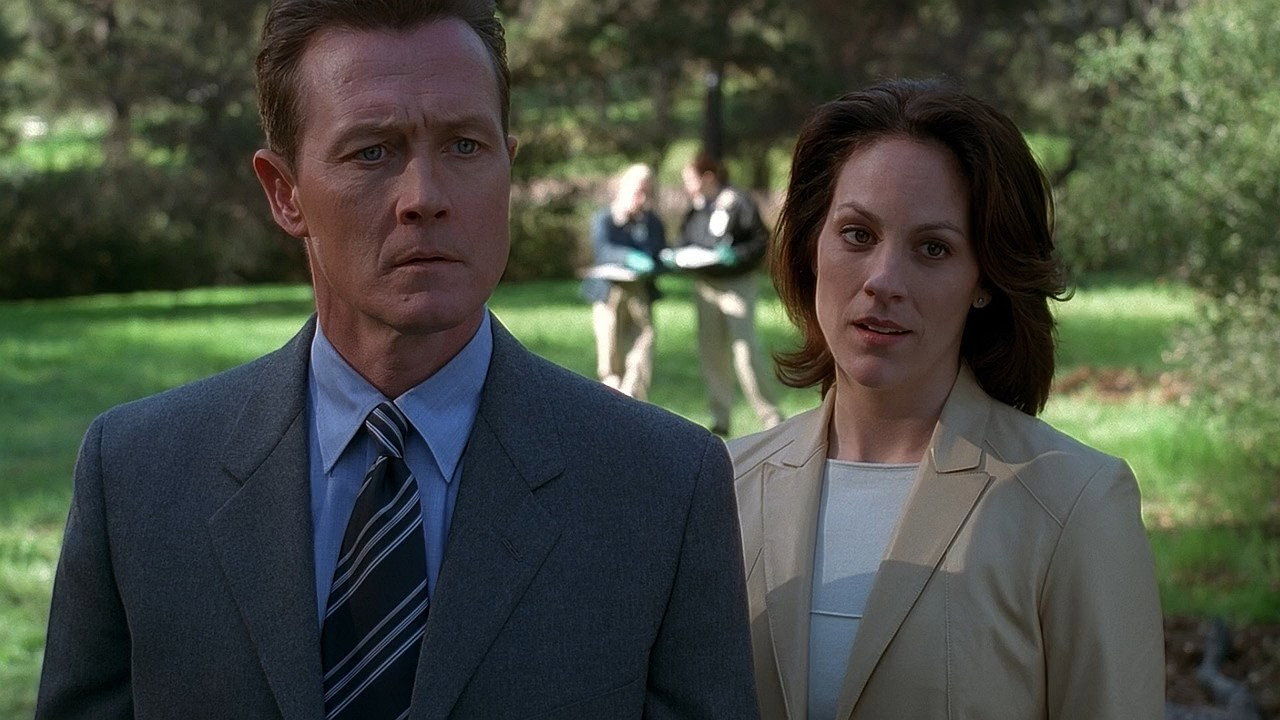
Doggett follows an anonymous tip to an empty apartment building in Mendota, Minnesota, hears scratching, and claws through fresh plaster until blood runs down the wall. It isn't even an X-File.
- Scully's cadet
At the autopsy, Scully's FBI Academy cadet Rudolph Hayes guesses exactly how the victim met her killer, and his hunches tie the body to a murder two weeks earlier.
- Luke
Hayes says the killer has mob ties, and the agents turn up a former mobster, Nicholas Regali. Then Doggett asks the cadet a bigger favour: look at the file on his murdered son, Luke.
The lineupSpoiler · tap to reveal
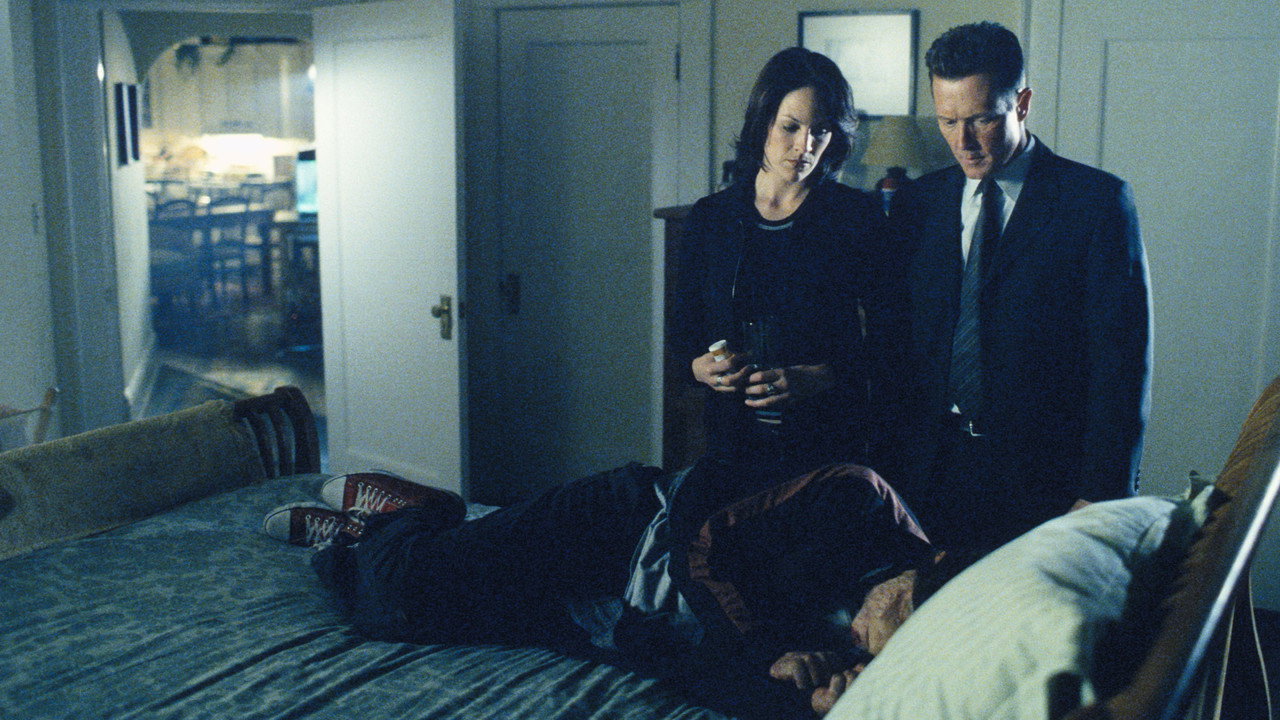
Barbara Doggett comes in to view a police lineup, Reyes starts to wonder about someone inside the Bureau, and a raid on an apartment changes what the agents think they know about Hayes.
A story, and a shotSpoiler · tap to reveal
Regali offers Doggett a story he calls hypothetical. Doggett goes after him with his gun drawn, and somebody else fires first.
Why it still matters
Doggett arrived in Season 8 with a murdered son in his past, and "Release" is the episode that finally goes back for him. The production histories by Erica Fraga and by Matt Hurwitz and Chris Knowles both say it was written to give closure to that story. It gets there with no monster and no conspiracy, just a detective, a cold case and a stranger who seems to know more about it than he should.
Robert Shearman and Lars Pearson, in Wanting to Believe, argue that the episode lands so hard because the murder had been given so little screen time. Mulder was always defined by the search for his sister, they write, while Doggett "carried the loss of his son as a private grief," and they call the result "emotionally powerful" and "moving". M.A. Crang's Denying the Truth praises its "lyrical style" and calls it "gorgeously shot" and "well acted". Not everyone was swept along: in Entertainment Weekly's review of the season's DVD set, Michelle Kung found the episode "worthy" but buried under the season's "ludicrous conspiracy plots".
The man who wasn't a cadet
Assistant Director Brad Follmer tells Doggett that "Rudolph Hayes" is really Stuart Mimms, a former mental patient who was living in New York the year Luke was murdered. The SWAT team finds his walls covered in crime scene photos from Luke's case, and at a second lineup Barbara picks him out. Mimms tells Scully he read about the murder in the newspaper and lied about his name so he could help solve it, and he still insists Regali is the killer. Meanwhile a secret meeting confirms what Reyes suspected after once seeing Follmer take money in New York: Regali has been paying Follmer, and when Follmer tries to end the arrangement, Regali threatens to expose him.
Regali's "hypothetical" is a confession in all but name. A pedophile took a young boy to his home; a businessman walked in, realised the boy had seen his face, and killed him. Doggett follows him outside with his gun drawn, hears a shot, and finds Regali dead, killed by Follmer. In the last scene Doggett and Barbara scatter Luke's ashes into the ocean.
Challenge the DNA
Did Doggett get the justice he wanted?
Or skip ahead to our reading
Follmer shoots Regali, and the truth comes out in the same moment. The episode gives Doggett answers and leaves justice messy.
Behind the scenes
- John Shiban had wanted to write a story like this for some time and began it alone, then handed it to David Amann when he was needed elsewhere, he told The X-Files Magazine in April 2002. Their first idea was simply Scully meeting a "genius" in her Quantico classes; tying him to Doggett's son came later.
- Shiban said Hayes was meant to be read two ways, after Arthur Conan Doyle: a "brilliant guy who's solving crimes with his amazing intuition," like Sherlock Holmes, or "a guy who's actually doing those crimes and playing a game," like Professor Moriarty.
- Barbara Doggett is played by Barbara Patrick, Robert Patrick's wife in real life.
- Patrick called the final scene "difficult" and credited Kim Manners, who "was there to guide us along," adding that he could think of no worse nightmare for a parent than losing a child.
The thread
Where Doggett's private case began, the Victorian detective pair behind Hayes, and other stories about grief that turns into an investigation.
Came before
Shares DNA with
DNA strand
Memory & Identity
Doggett is a man built around one memory he never talks about. This episode drags that memory into the open and asks whether knowing the truth will let him put it down, which is a quieter version of the question Mulder has been asking for nine years.
Every great sci-fi story is built from a handful of strands like this one. Each strand page explains how it works and traces it across shows, books and films.
If this one stayed with you
Where to go next, and why.
Watch · Film
Prisoners (2013)
A father whose daughter goes missing and a dogged detective pull the same case in different directions, and neither comes out unchanged.
Watch · Film
Zodiac (2007)
An outsider with no badge gets obsessed with an unsolved murder case, and the film keeps you unsure whether that makes him useful or dangerous.
Read · Novel
Mystic River by Dennis Lehane
A father's grief over a murdered child and an old crime nobody ever got past drive a Boston neighbourhood toward its own kind of justice.
Your next episode
Three directions to go from here, all on Sci-Fi DNA.
More of this feeling
Wrongs Darker Than Death or Night
Star Trek: Deep Space Nine
It has the same heavy weight of a man finally learning the truth about a loss that shaped his life.
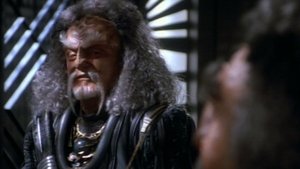
Same question, different answer
Blood Oath
Star Trek: Deep Space Nine
It asks whether justice for an old crime can ever look the way you imagined.

Something completely different
Sunshine Days
The X-Files
For something warmer, watch the agents investigate a death at a perfect copy of the Brady Bunch house.